Exothermic welding
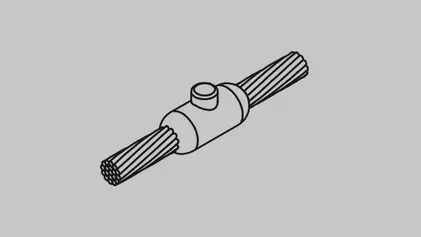
The exothermic welding process, also known as thermite welding or aluminothermic welding, is a simple, self-contained method for producing high-quality electrical connections between various metals – such as copper to copper, copper to steel and steel to steel.
Exothermic moulds
The DEHN Graphite Mould is used for welding connections. The mould controls the direction and speed of the molten weld metal flow and the formation of the weld. The graphite used is a high temperature type that lasts for an average of 50 or more welding connection under normal usage.
Mounted on the side of the mould is the name plate indicating the size of the conductors, type of connection and the size of the weld metal to be used.
NOTE:
1. No alteration whatsoever may be done to the mould.
2. Mould must be absolutely dry used.
3. Water or moisture are dangerous in molten metal environment.Product detailsExothermic powders
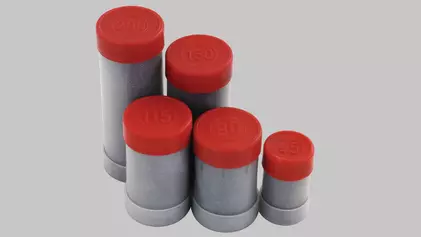
DEHN Weld Metal is a mixture of copper oxide and aluminium, packaged by size in individual plastic tubes.
Depending on the required connection type and conductor specifications, varying weld metal sizes will be required.Product detailsHandle clamps
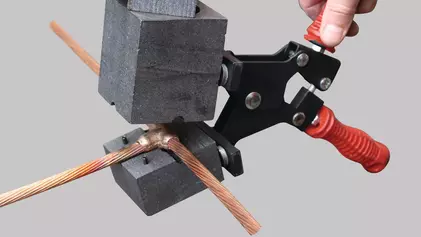
Mould securing clamp and screw, if eye bolt is screwed out (anti-clock wise) handle clamp will tighten mould clamping.
Handle clamps are an essential part of the welding process for the following reasons:
1. Handle clamps have a vice grip type locking arrangement which allows the operator to free his hands.
2. When repetitive welding takes place the mould becomes far too hot to handle (wear your safety gloves).
3. Mould securing clamps hold hot mould parts to the handle clamp securely, allowing easy cleaning.Product details