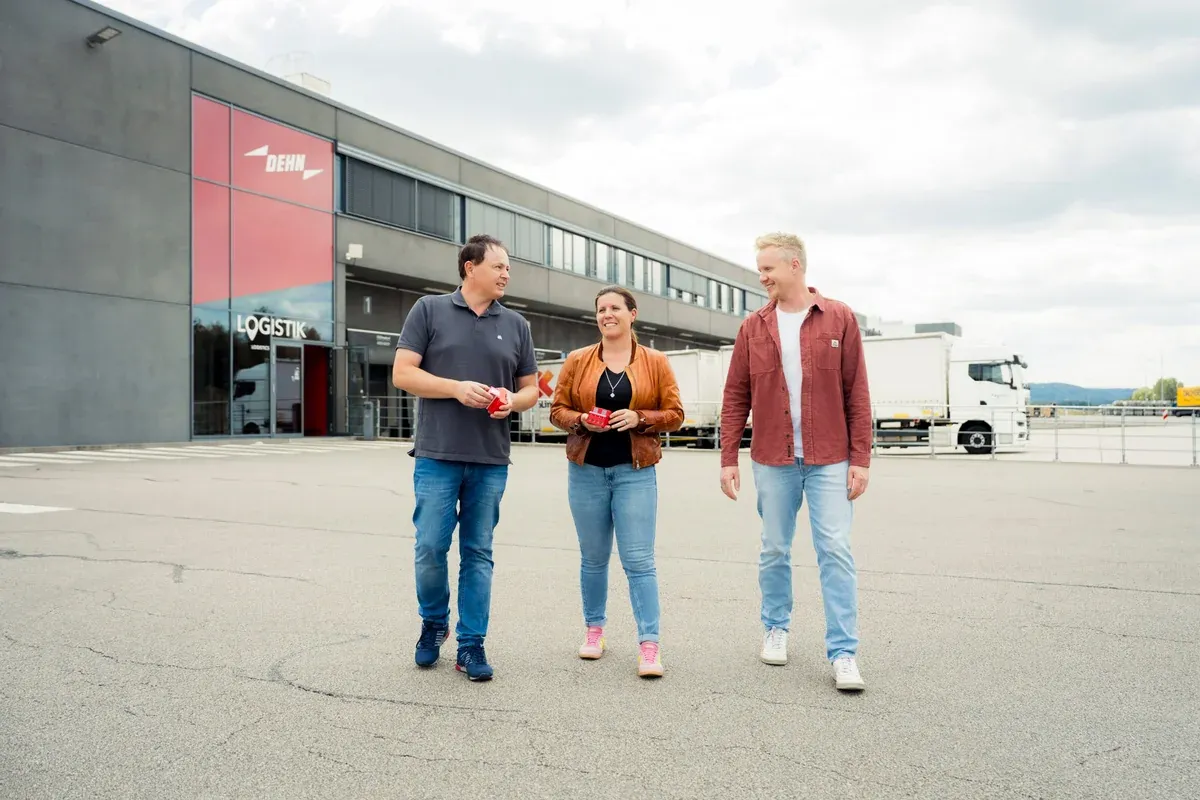
Biodiversity at NaturCampus DEHN
Here, commercial space is transformed into living space.
At our NaturCampus in Mühlhausen, we preserve and develop valuable sandy grasslands, thereby creating space for biodiversity.
Biodiversity requires healthy habitats
Biodiversity describes the diversity of life: different species, their genetic diversity and the habitats in which they interact. When habitats are lost, cut or their conditions change, highly specialised species come under pressure.
What are sandy grasslands?
Spare, and yet all the more valuable for it: Sandy grasslands are habitats on loose sandy soils, where the specific conditions provide a home for specialised plants and animals. What may seem difficult elsewhere is precisely what defines the ecological quality here.
Specialists in challenging conditions
Hot, dry and nutrient-poor? For some species, that is exactly the right place. The plants and animals of the sandy, nutrient-poor grassland have developed a wide variety of strategies to cope with life here.
Let’s take a closer look at a few of these specialists:
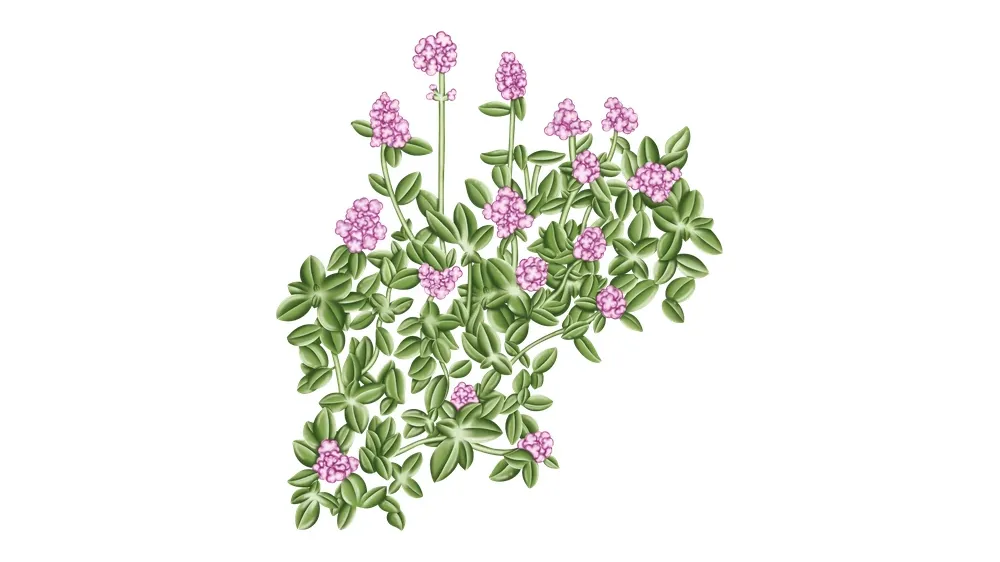
Sand thyme
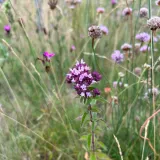
Small, leathery leaves help sand thyme to cope with drought. Its flowers provide nectar and pollen in midsummer.
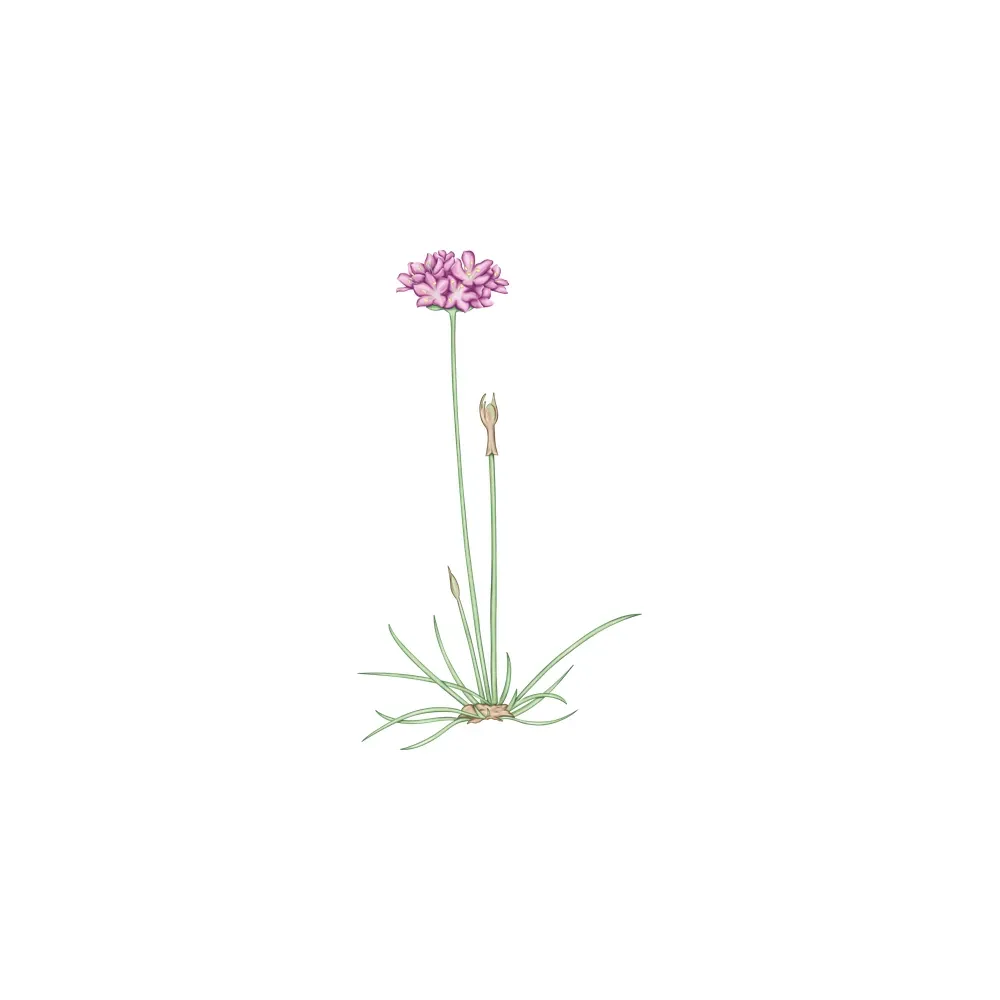
Sand-grass carnation
The sand pink has an adaptation to dry, nutrient-poor soils. Its long flowering period provides food for insects over an extended period.
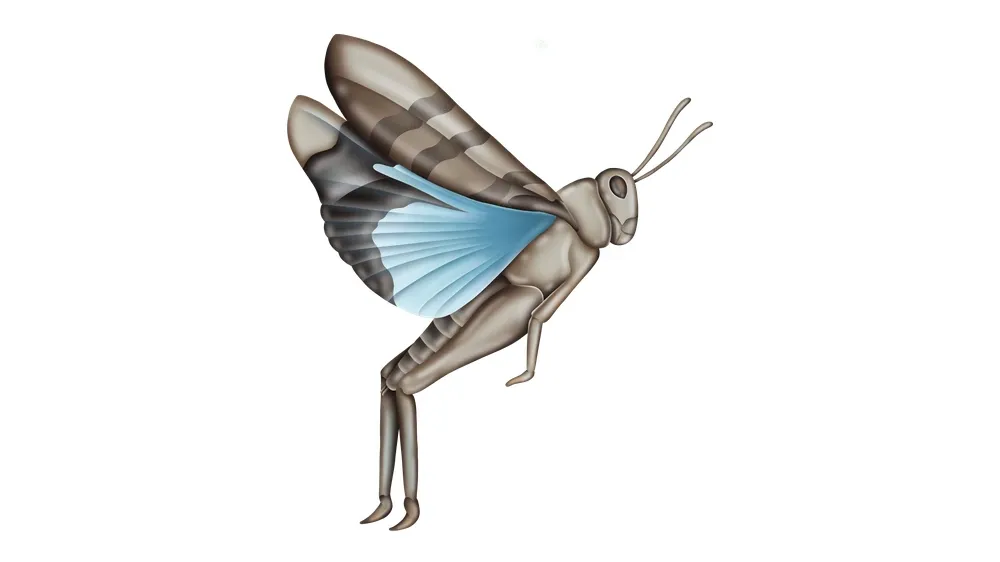
Blue-winged grasshopper
It is well camouflaged on the base. It is only when they take flight that their striking blue hindwings become visible.
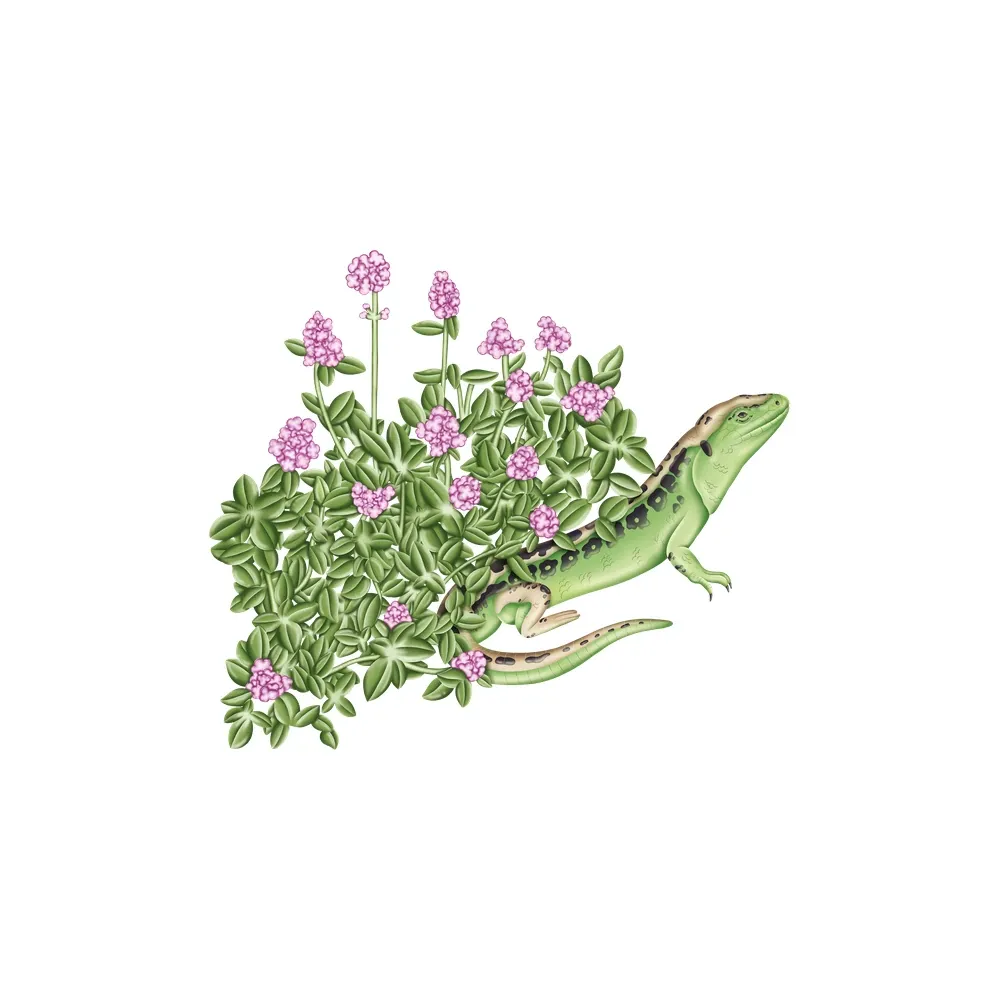
Common lizard
The sand lizard needs a small-scale mosaic of sunny spots, compactly vegetated areas, hiding places and loose soil.
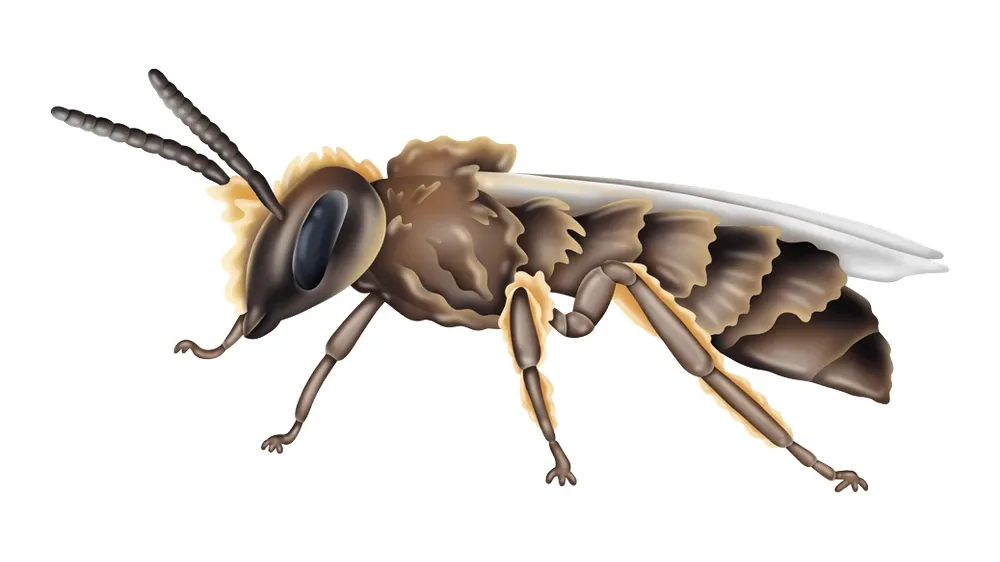
Wild bees and sand bees
For many species of wild bees, open, sandy patches of ground are essential nesting sites.
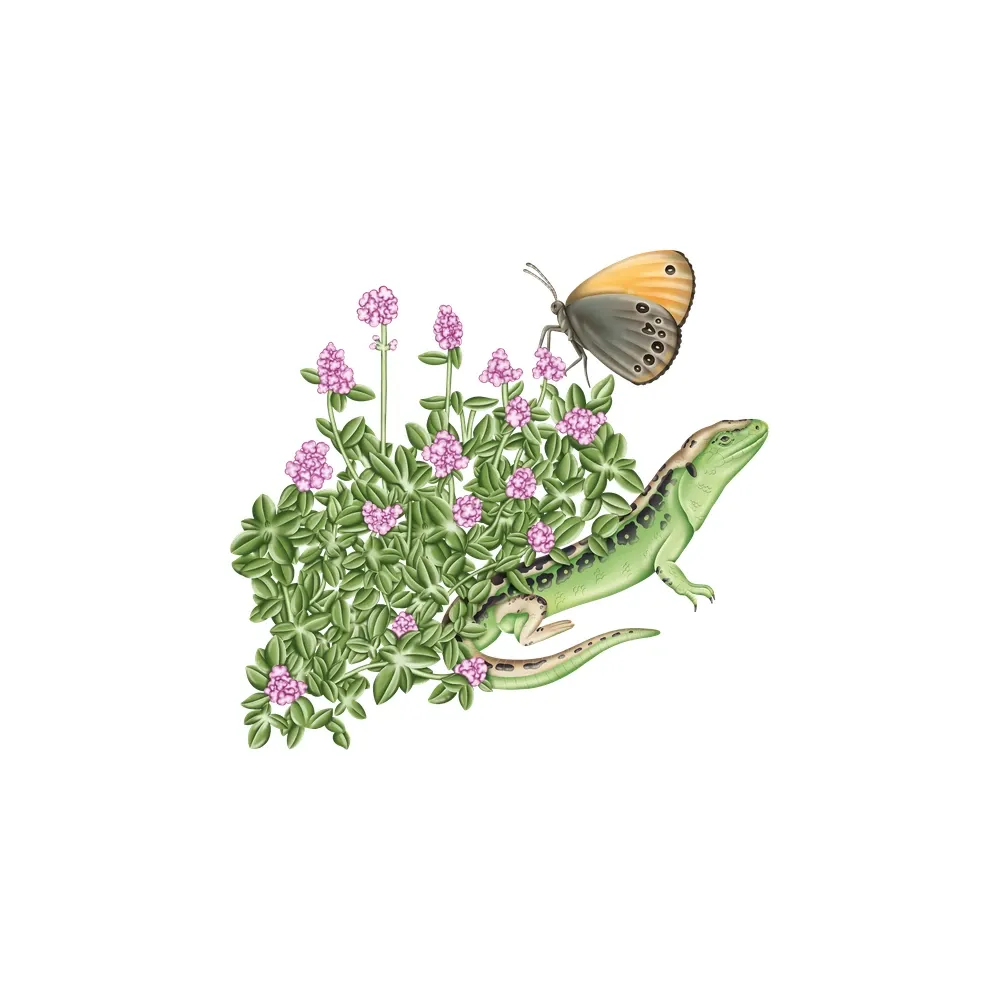
Reddish-brown Meadow Warbler
The red-brown meadow bird needs a continuous supply of flowers. Thyme and wild marjoram are important sources of nectar on dry grasslands.
Land becomes habitat
Together with the Neumarkt Landscape Conservation Association, we are continuing to develop the sandy, nutrient-poor grassland at the Mühlhausen operating location. We do not simply want to create habitats; we also want to preserve these special conditions in the long term.
Both a living space and a place of learning
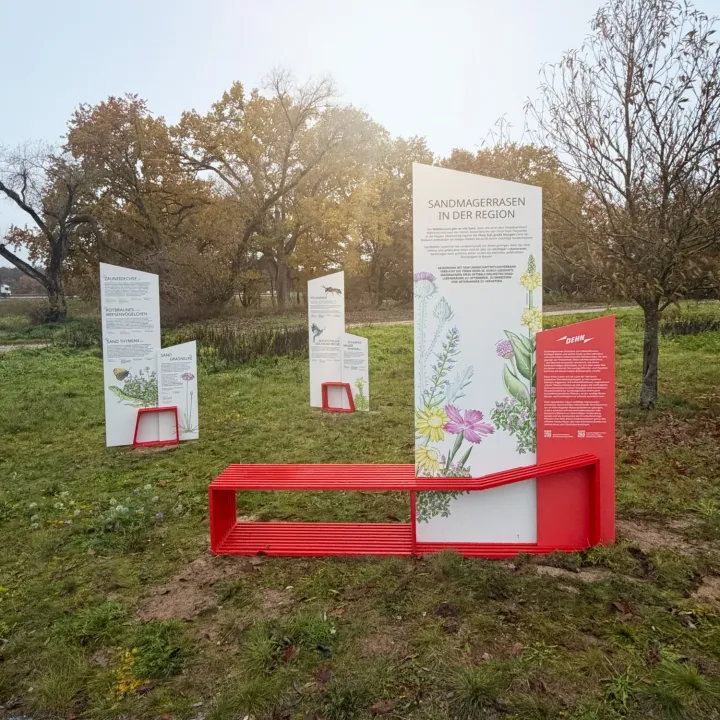
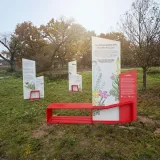
NaturCampus DEHN provides a connection between the natural environment and the sharing of knowledge. The nature trail shows what makes sandy grasslands so special, which species live here, and how biodiversity can be supported on your own land.
Protecting habitats
As a visitor to NaturCampus DEHN, you too can help to preserve this special habitat.
Even simply behaving considerately helps to protect plants, animals and sensitive areas of soil.
Use the paths | Leave plants where they are | Do not disturb the animals | Take your rubbish away with you
Sustainability continues
The NaturCampus DEHN is a concrete example of our commitment to sustainability.
Discover how we go the extra mile when it comes to responsibility.