What we do today will have an impact tomorrow
Climate and environmental protection at DEHN
How do we connect economic growth with the protection of both the climate and environment? We deal with this question every day. As a family-owned company, we see sustainability as part of our responsibility towards future generations, and we are working to conserve resources, reduce emissions and continually minimise the environmental impact of our activities.
We do not view climate and environmental protection as a one-off measure, but as a long-term commitment. On this page, we set out clearly how we apply responsibility and use this to define specific objectives, actions and outcome.
Our climate and environmental objectives
Environmental protection and climate protection are long-term endeavours. We pursue specific objectives to reduce emissions, use resources responsibly and continuously minimise our environmental impact.
Our commitment to the climate and the environment
We integrate climate and environmental issues into our management systems, track relevant key performance indicators and continuously refine our measures.
Climate protection starts in our everyday lives
Climate protection starts where we have a direct influence. That is why we are investing in energy efficiency, renewable energy and a step-by-step reduction in our emissions. Our climate transition plan brings together measures aimed at step-by-step decarbonisation of our operating locations.
The following example illustrates how we are transforming the principles of our climate strategy into practice.
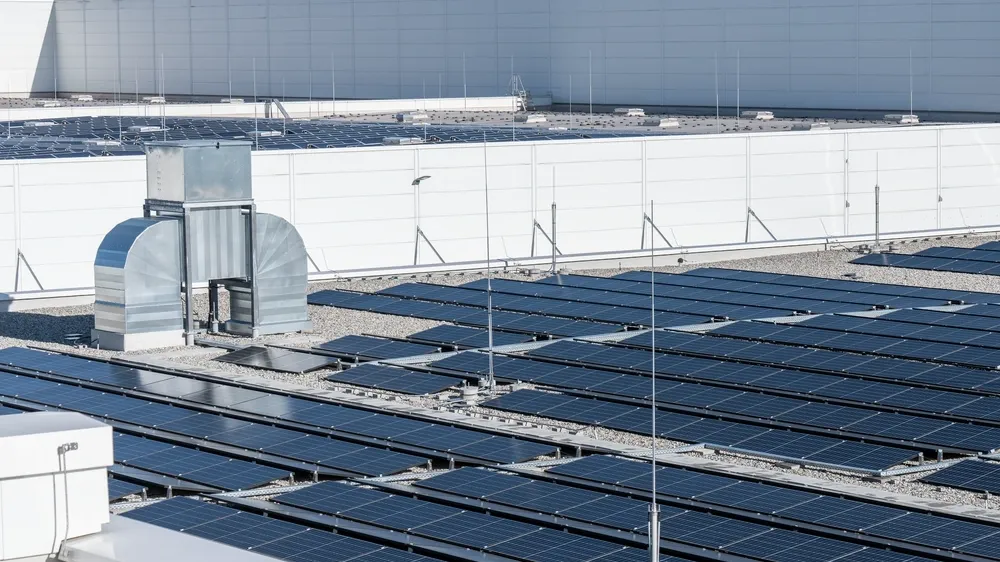
Renewable energy from our own generation
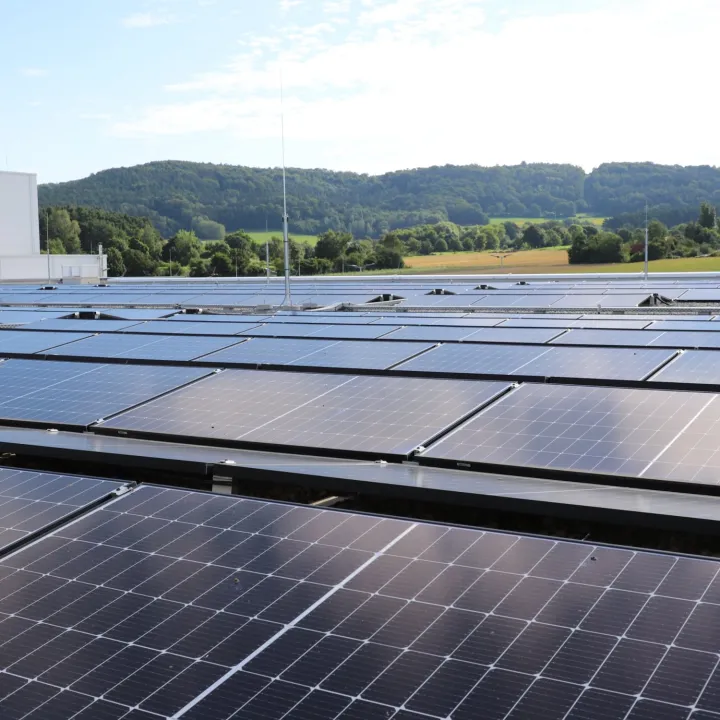
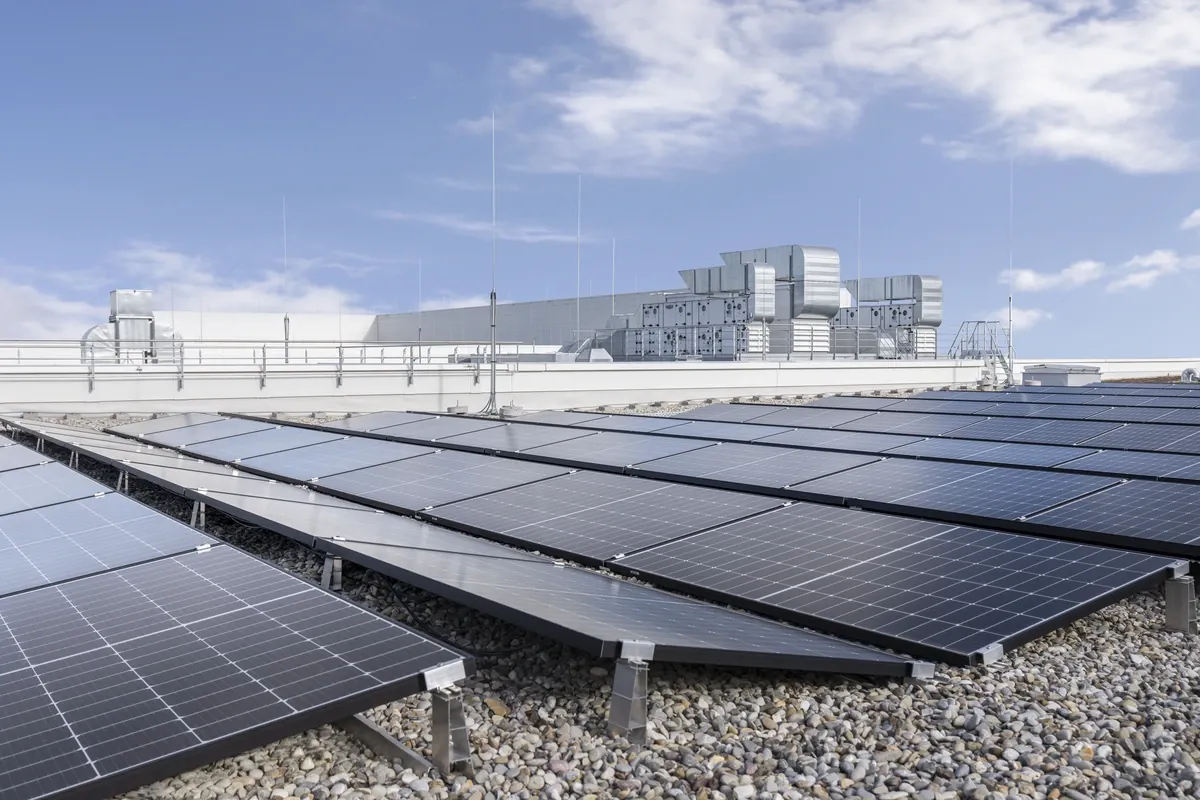
Over 4,000 solar panels on buildings in Mühlhausen generate electricity directly on site. Excess energy runs back into the public grid.
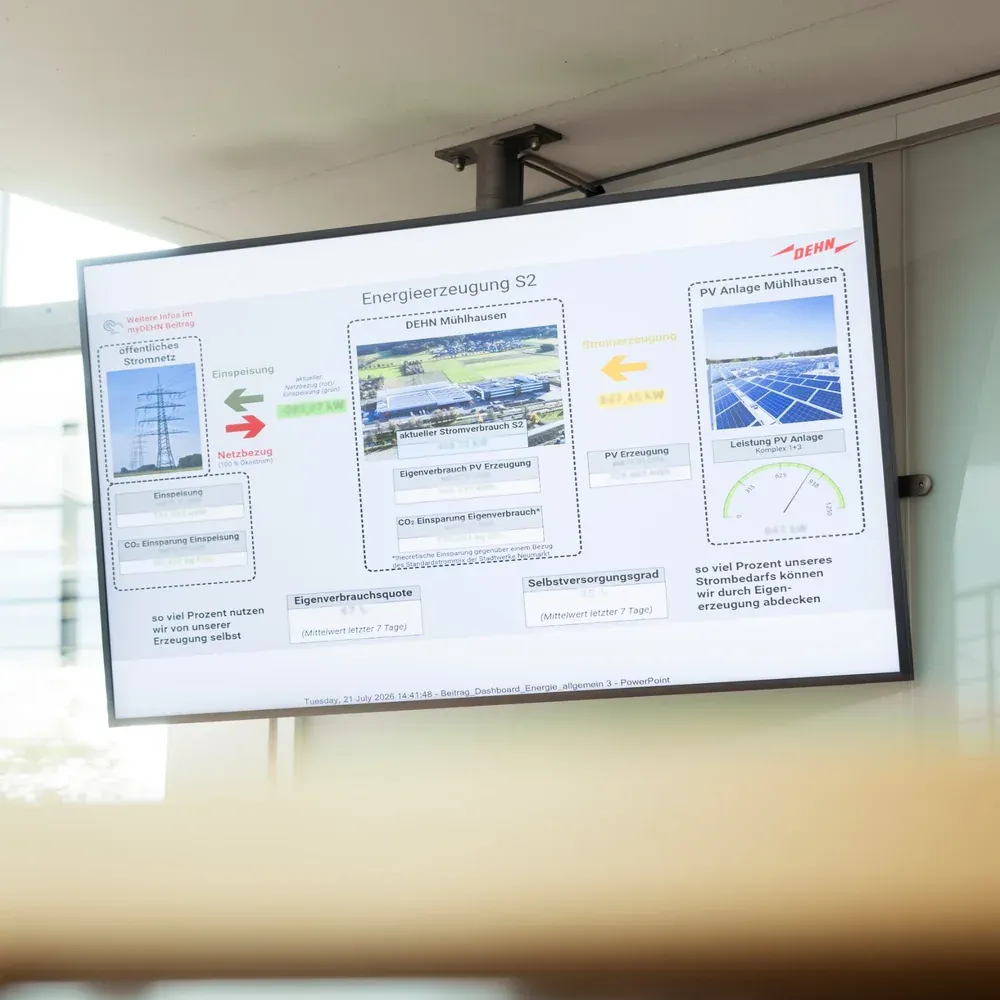
Evaluating energy consumption
A metering point strategy and digital evaluations provide transparency regarding energy consumption and enable detailed analyses.
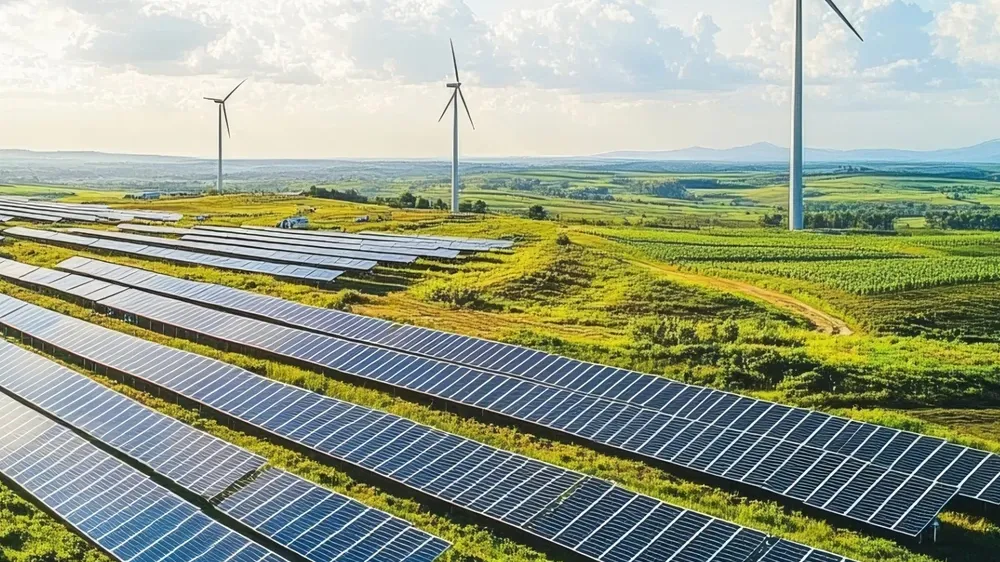
Purchasing renewable electricity
We switched to a green electricity tariff in Germany in 2021.
We document details of the origin and accounting treatment of the current we purchase by means of the relevant supporting documents.
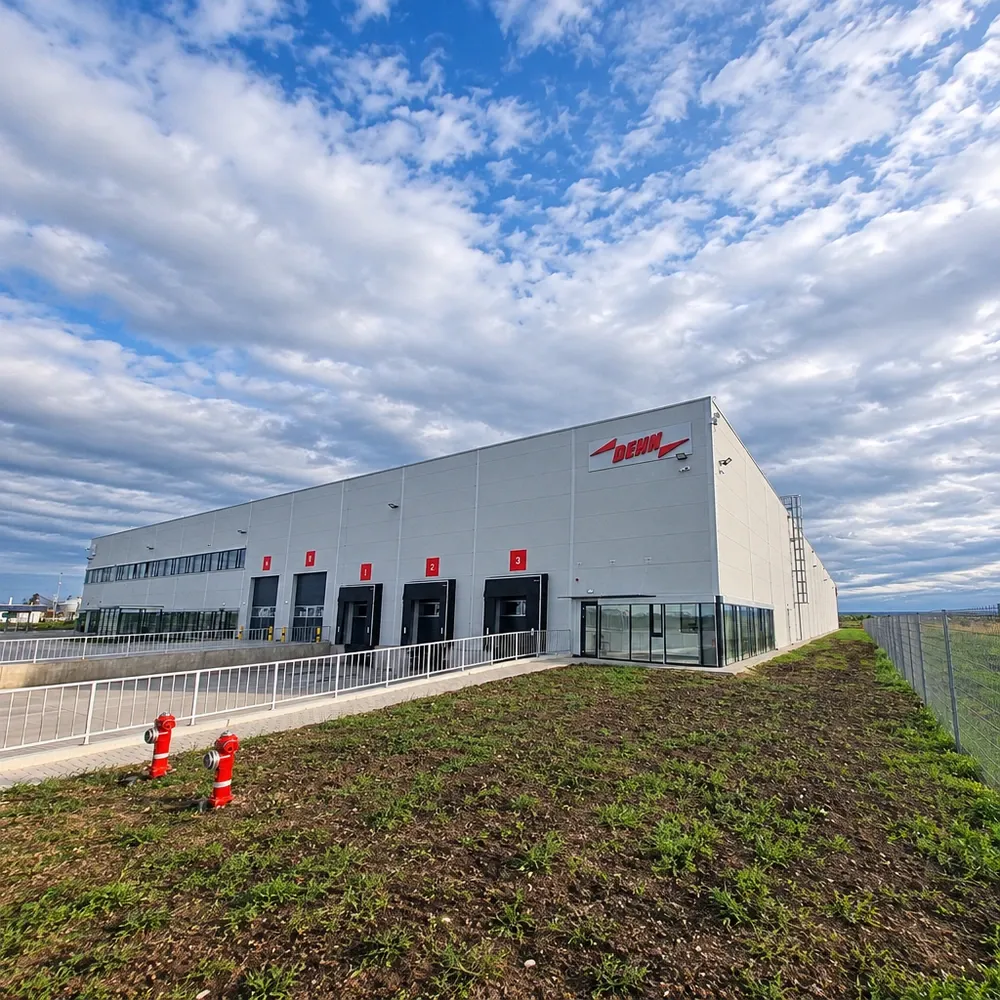
Clear goals for the future
By 2030, we aim to ensure a 100 per cent renewable energy power supply for all our production sites in Europe and to generate as much of this as possible ourselves.
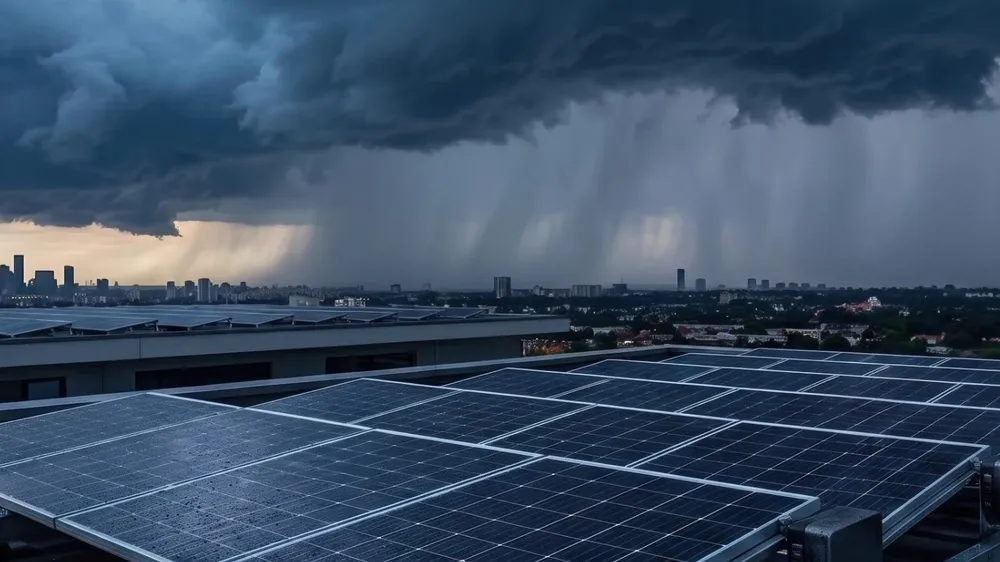
Understanding climate risks
Through climate risk analyses, we assess the effects on operating locations, supply chains and business processes, and use these findings to identify adaptation measures.
Energy management for climate protection
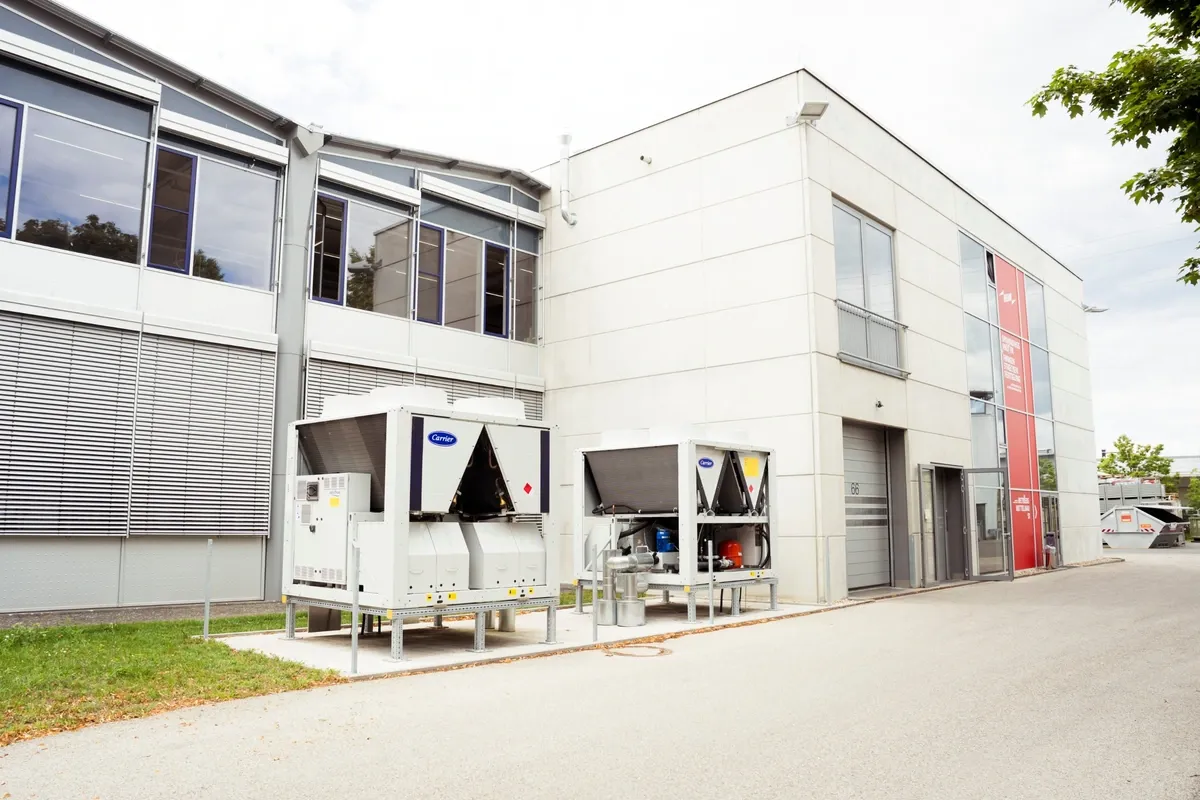
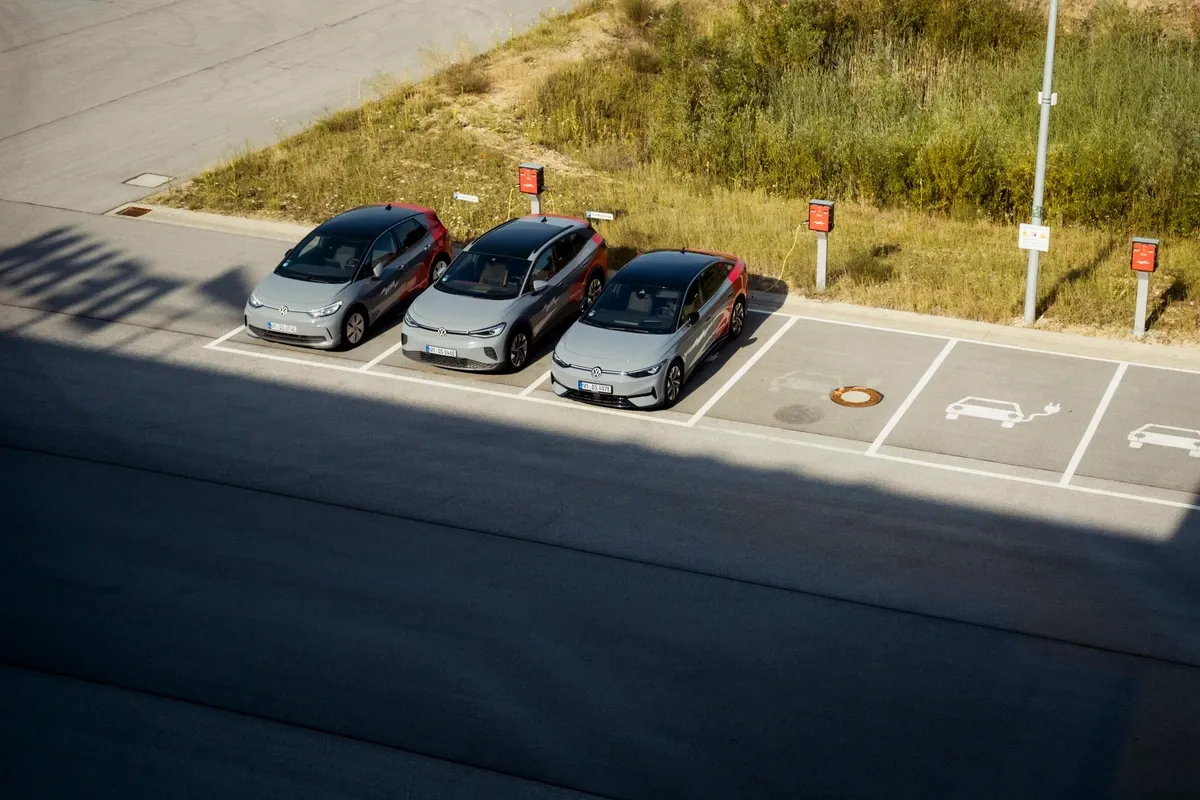
For us, the energy turnaround begins within our own business. That is why we systematically monitor energy consumption, improve the efficiency of our operating locations and invest in renewable energy.
Sustainability requires a systematic approach
Long-term environmental and energy targets require clear structures. That is why DEHN relies on certified management systems in accordance with ISO 14001 and ISO 50001. They help to systematically record environmental factors and energy consumption, implement measures and regularly test progress. The environmental management system has been certified since 2000, and the energy management system since 2020. Regular audits support continuous further development.

Climate and the Environment: Key Figures
For us, transparency regarding progress is key to acting responsibly. The following environmental indicators are taken from our latest sustainability report; you can find further values and information on aspects such as waste prevention in that report. You can download the sustainability report next.

We send over 90 per cent of our waste for recycling.

During the reporting year, we calculated a Product Carbon Footprint (PCF) for 20 products.

The total capacity of our photovoltaic system in Mühlhausen is 1,250 kWp.

In 2025, we handed over 138 decommissioned IT devices to AfB social & green IT for refurbishment, resale or recycling.
Biodiversity needs space
Sandy soils characterise the landscape around our operating location in Mühlhausen. They are of little interest to agriculture, but they provide an important habitat for rare animal and plant species. Today, sandy grasslands are among the most endangered habitat types in Bavaria. Together with the Neumarkt Landscape Conservation Association, we are implementing measures to preserve, expand and better connect these habitats.
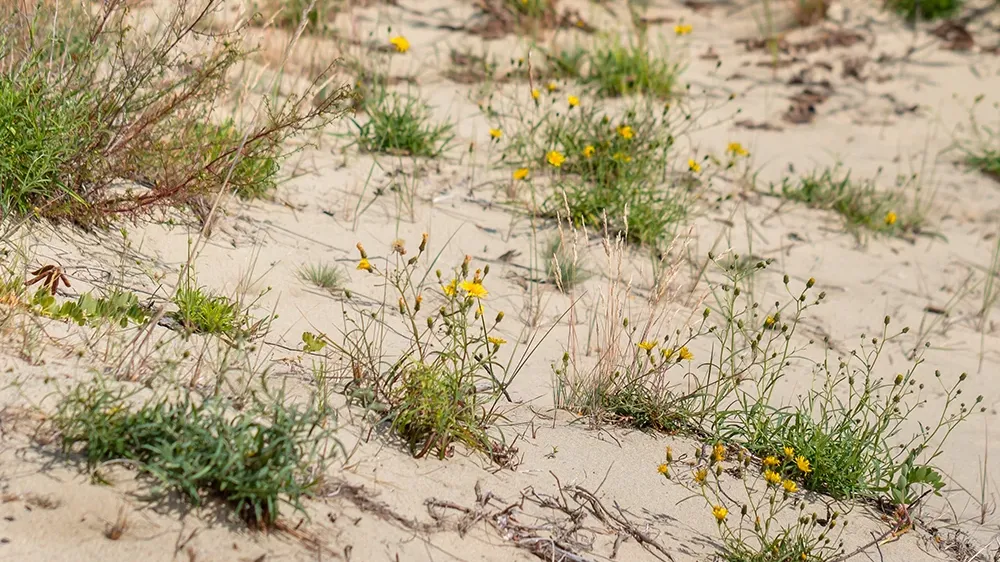
Preserving threatened habitats
Sand-poor grasslands are among the region’s most ecologically valuable habitats, but have now disappeared from many areas.
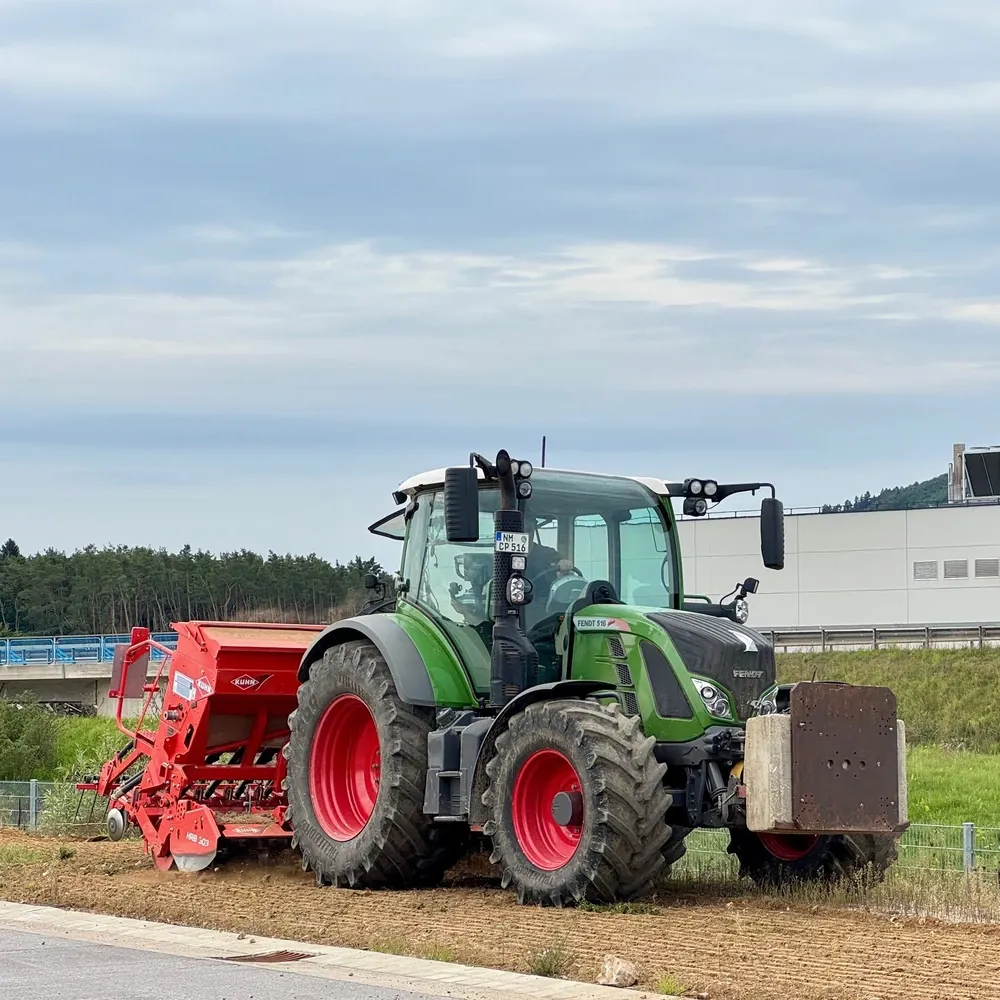
Creating stepping-stone habitats
Small areas of sand help to establish connections between habitats and encourage the propagation of endangered species.
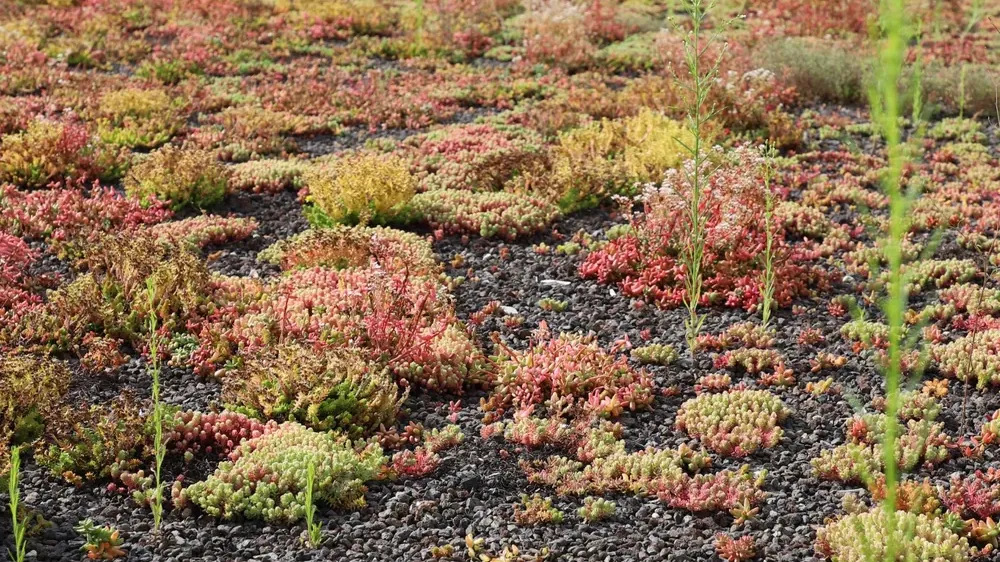
Strengthening biodiversity
Through specific measures, we create habitats for specialised plants, insects and reptiles.
Related key topics:
- Climate protection and adaptation to climate change
- Energy management
- Environmental management
Our objectives:
- Achieving carbon neutrality in Scope 1 and 2 by 2030
- Providing power supply to production sites in Europe with electricity from renewable energy sources
- Further improve transparency regarding Scope 3 emissions
- Systematically improve waste streams by 2030
Some questions are best clarified through conversation
Corporate Sustainability

Health, Safety and Environment
Health, Safety and Environment

There is data behind every statement
We make evidence, certificates and further information freely available and ensure that our measures are transparent.
Certificate EN ISO 14001
Environmental management system
Certificate EN ISO 5001
Energy management system
Frequently Asked Questions about the Environment and Recycling
For DEHN, climate protection means more than just reducing greenhouse gas emissions. The effect of climate change on operating locations, supply chains and business processes is also taken into account. That is why we regularly analyse climate-related risks and opportunities in order to identify appropriate adaptation measures at an early stage and strengthen our company’s resistibility.
The Corporate Carbon Footprint captures DEHN’s greenhouse gas emissions across the value added chain in the areas of Scope 1, Scope 2 and Scope 3. It provides transparency on the key sources of emissions and helps us to prioritise measures in a specific manner and to measure progress on climate protection in a verifiable way.
The majority of our greenhouse gas emissions arise along the upstream and downstream value added chains and are accounted for under Scope 3. That is why we are constantly working to expand our data set and improve the quality of our emissions calculations. The aim is to make emissions along the value added chain more transparent and to identify next areas where they can be reduced.