Lightning and surge protection for technical building equipment
Plan holistically. Operate reliably.
Buildings such as data centres and hospitals are now highly electrified and rely on complex networked systems. Whether it's energy management, access control or efficient building control – reliable operation is virtually impossible without advanced electronic components. The failure of a single component therefore often leads to a chain reaction. This makes protecting technical building equipment (TBE) a key aspect of planning and implementation – especially in buildings and facilities that are part of critical infrastructure.
Protective solutions for technical building equipment
We keep an eye on the entire technology: from fire alarm systems and safety functions to the protection of people and systems and offer comprehensive protection solutions against lightning damage and surges. Learn about our range of products for safe operation of buildings and protect people, systems and investments.
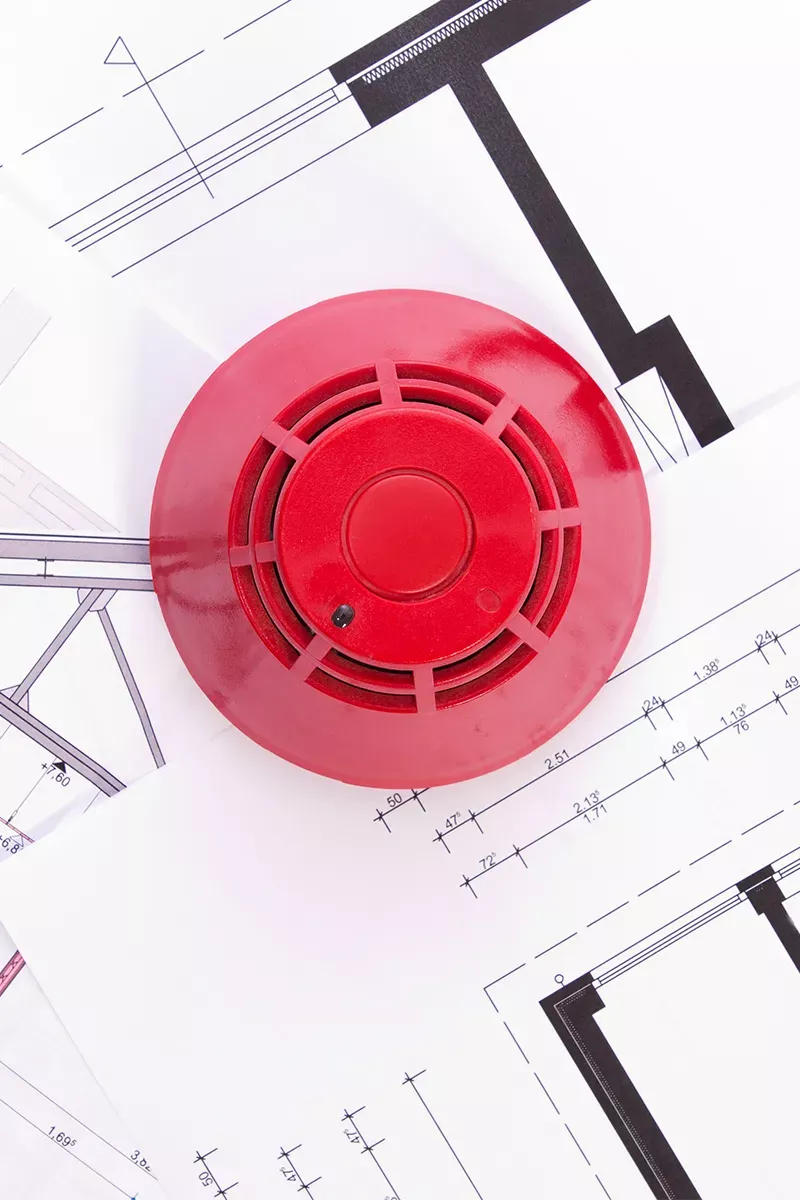
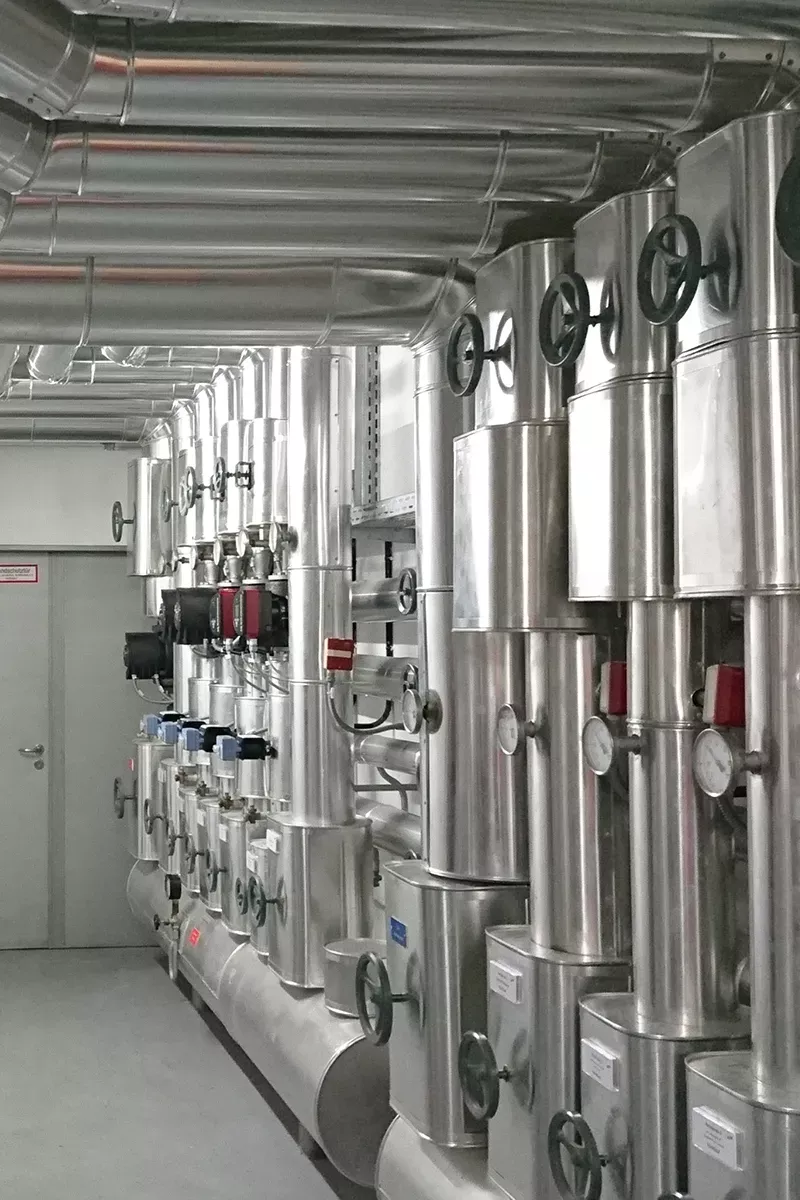
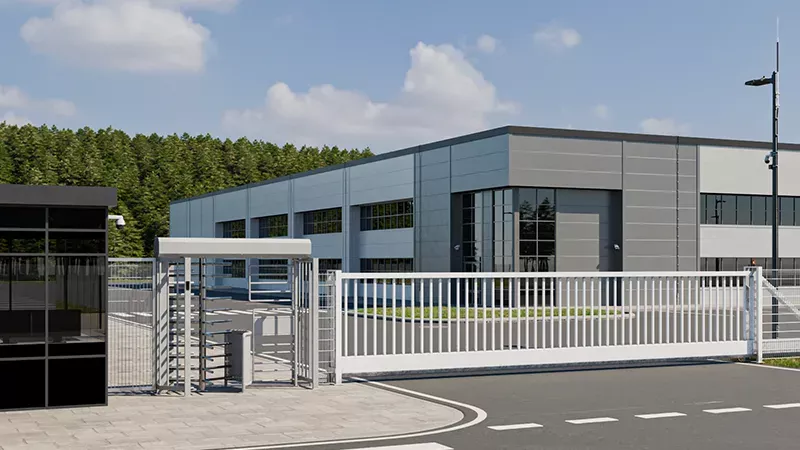
With our protection solutions for technical building equipment, availability can be planned at an early stage.
Systemic risks
Lightning events and electrical faults such as power surges or grid disturbances have a direct impact on safety technology, building automation and power electronics. Without a coordinated protection concept, there is a danger of system malfunctions and failures, damage to sensitive technology, increased fire risk, expensive repairs and downtimes.
Comprehensive protection
Individual measures are not enough; what is needed is a carefully planned, comprehensive protection concept that takes into account all relevant technical building equipment applications, from power distribution, safety and security, heating, ventilation and air conditioning (HVAC) and building automation to PV systems and e-mobility.
Planning: the right timing is crucial
When planning buildings, protection measures are often considered too late, resulting in extra work and unnecessary additional costs. Budgets must be considered and interfaces clearly defined early on in the design stage. DEHN supports planning engineers and installers right from the beginning with tailored protection solutions from a single source.
The lightning protection zone concept according to IEC EN 62305-4
The lightning protection zone concept follows the principle of gradual energy reduction: the electromagnetic load decreases with each zone. This involves the interaction of surge arresters, shielding and EMC-compliant cable routing. If planning for a lightning protection zone concept is taken into account at an early stage in new builds, implementation is relatively straightforward. Existing buildings are different. In order to protect fire alarm systems and other applications, it is important to carefully analyse the cable routes and structural conditions.
Protection solutions
Fire detection technology
It is crucial for builders and planners of buildings to consider the protection of fire alarm systems at an early stage – we are here to support you.
Emergency lighting
A single unprotected path is enough to put entire emergency lighting systems out of action.
Prevent that from happening – we are here to help you.
Building and perimeter protection
They form the first safety level of a building. Avoid the failure of individual components and ensure a strong safety chain.
HVAC systems
HVAC devices are protected when steps are taken to secure power supply and information technology. Our protection concept ensures precisely that.
Building automation
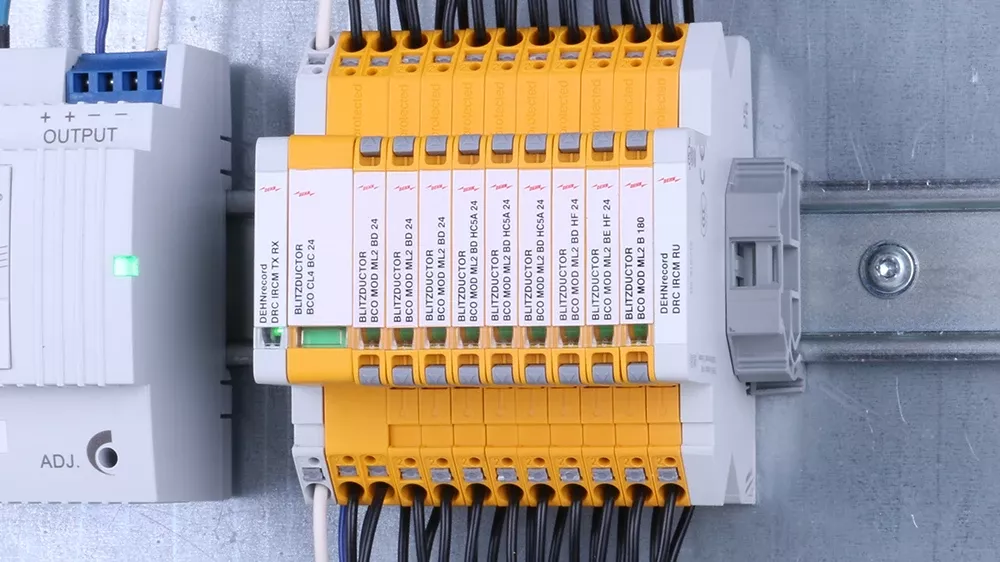
With surge protection for measurement and control technology, you can safeguard processes as well as the availability of systems.
Safely standard-compliant
- Our solutions and products are standard-compliant. Learn more about the requirements and how you can meet them with our solutions.
- Further specifications on the safety of people, animals and technology are contained in the IEC 62305 series of standards, as well as national standards, regulations and laws.

FAQs
A lightning protection zone concept in accordance with IEC EN 62305-4 divides buildings into zones with gradual energy reduction. Each zone reduces the electromagnetic load. Only when implemented correctly and taking all transitions into account can people, data and systems be reliably protected. Early planning in new builds facilitates implementation, while detailed analysis is necessary for existing buildings.
A low-impedance earthing and equipotential bonding system protects buildings against dangerous touch voltages and enables EMC-compliant signal quality. EN 50310 specifies that power and data cables, cable trays and metal structures must be connected. Without proper earthing, even correctly installed surge protective devices lose their effectiveness.
The separation distance is the safe distance between conductive parts to prevent sparkovers. It protects cables and systems from damage caused by lightning currents. Compliance with IEC EN 62305 reduces fire and flashover risks. If the distance cannot be achieved, Type 1 arresters and lightning equipotential bonding are required.
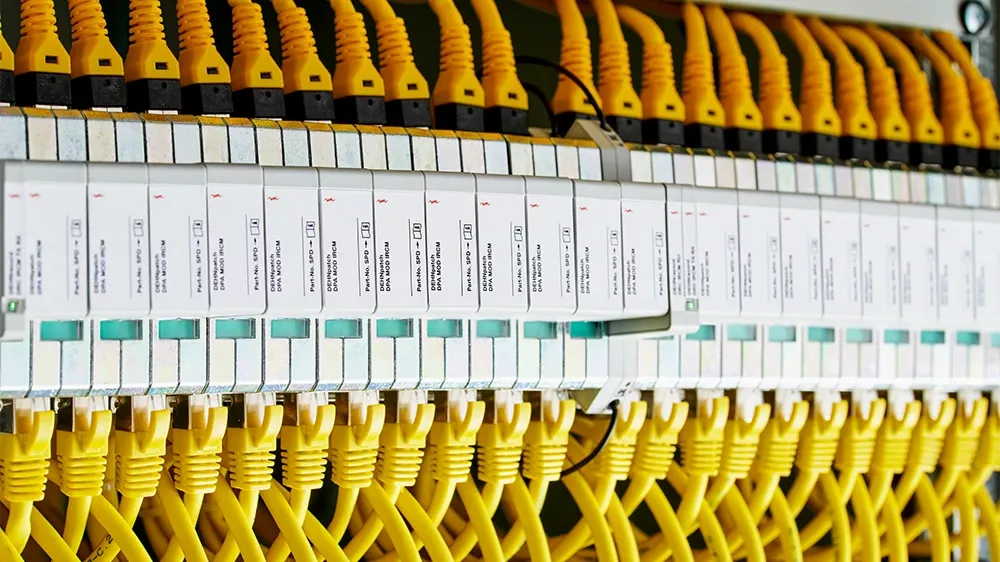
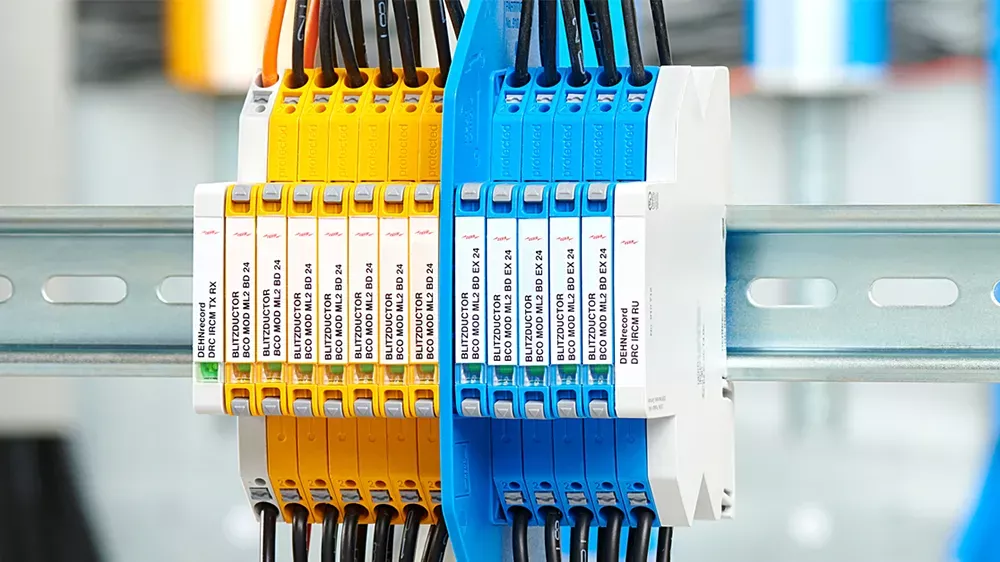
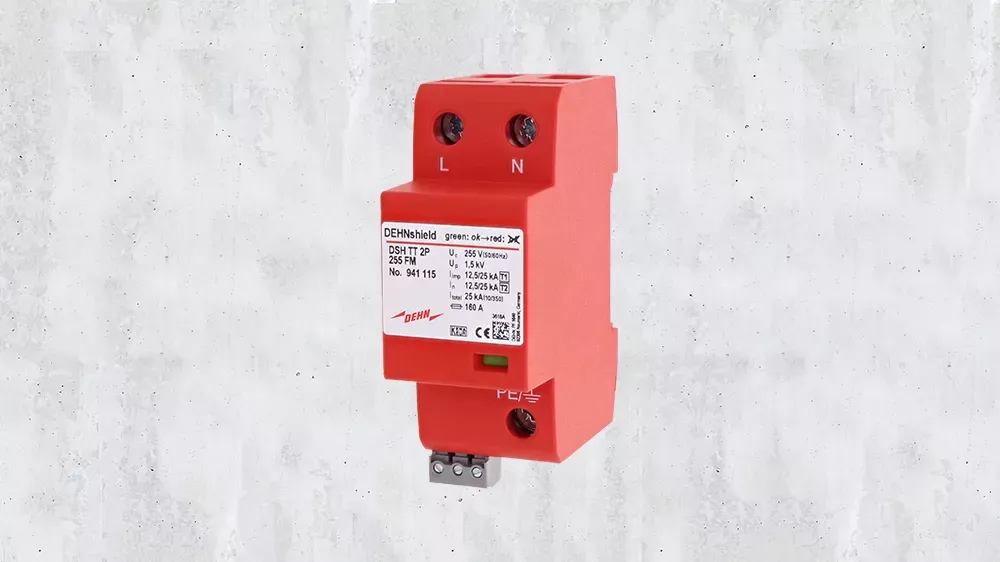
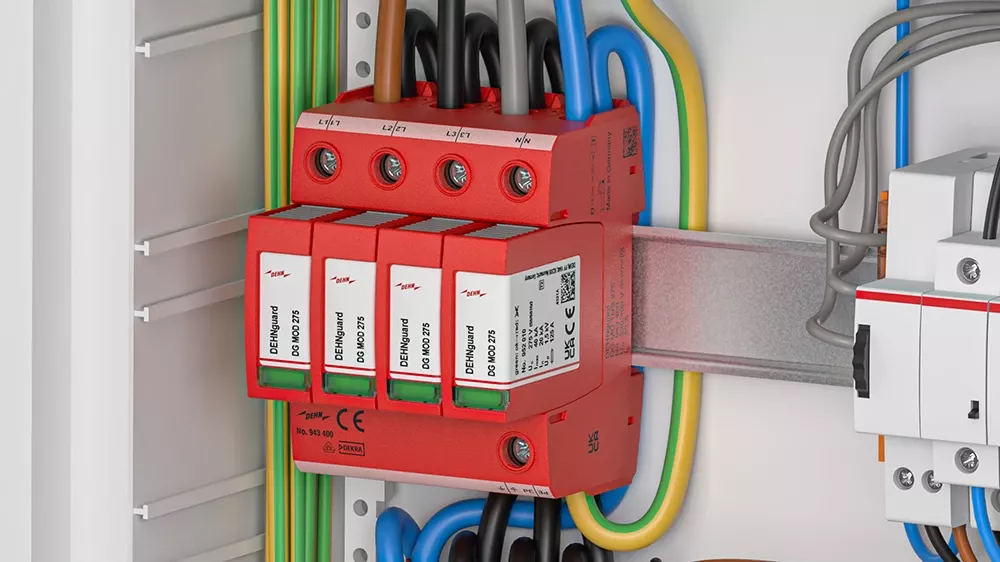
Surge arresters protect against lightning strikes and transient overvoltages that enter the building via power, control or data lines. They discharge the energy to earth in a controlled manner and limit the residual voltage to a safe level for downstream devices. This provides reliable protection for safety technology, building automation and power electronics.
Careful cable routing in accordance with EN 50174 ensures data integrity and system availability. Power and data lines must be routed separately, minimum distances must be maintained and shields must be integrated into the equipotential bonding. Unfavourable cable routing increases the need for protection, especially in vulnerable areas such as data centres or cables running between buildings.
In new builds, lightning protection zones, earthing and cable routing can be integrated at an early stage. In existing buildings, lack of space, established structures and a lack of earthing require targeted retrofitting. It is important to define the protection goal beforehand – is it purely about fire protection or ensuring long-term system availability?
Effective protection is achieved through the interplay of earthing and equipotential bonding, surge protection, lightning protection zone concepts, cable routing and shielding. Only when all measures are coordinated will they work reliably in an emergency and reduce risks to operations, liability and loss of function.
Planning engineers must correctly classify standards, optimally combine protective measures and minimise risks for projects and liability. The aim is to develop a future-proof technical building equipment concept that is technically reliable, practical and economically viable. That means early, interdisciplinary planning is crucial.
Services
We can provide support for your project from the planning to the implementation and beyond. Take advantage of our wide range of practical tools and services.
We create the entire lightning protection concept – from the risk analysis and earthing simulation to budget planning – all precisely tailored to your project, and standards-compliant.
With DEHNrisk, you can determine the lightning risk for structures comprehensively, quickly and precisely. The Web-based application provides support in determining the lightning protection class and other necessary measures.
Design the external lightning protection and earthing systems for your project in accordance with DIN 18014 and IEC 62305-3. The program automatically creates a bill of materials for further use.