Electrically insulated lightning protection
An overview of IEC 62561-8
IEC 62561-8 (as at October 2026) sets out requirements and tests for components of electrically isolated lightning protection systems. Together with IEC 62305-3, this provides a comprehensive normative framework for planning, application and product requirements.
On this page, you will find out
✓ Why electrically insulated lightning protection is used
✓ the role played by the new IEC 62561-8
✓ which requirements are assessed against standards
✓ What to look out for when planning and selecting
✓ which applications benefit most
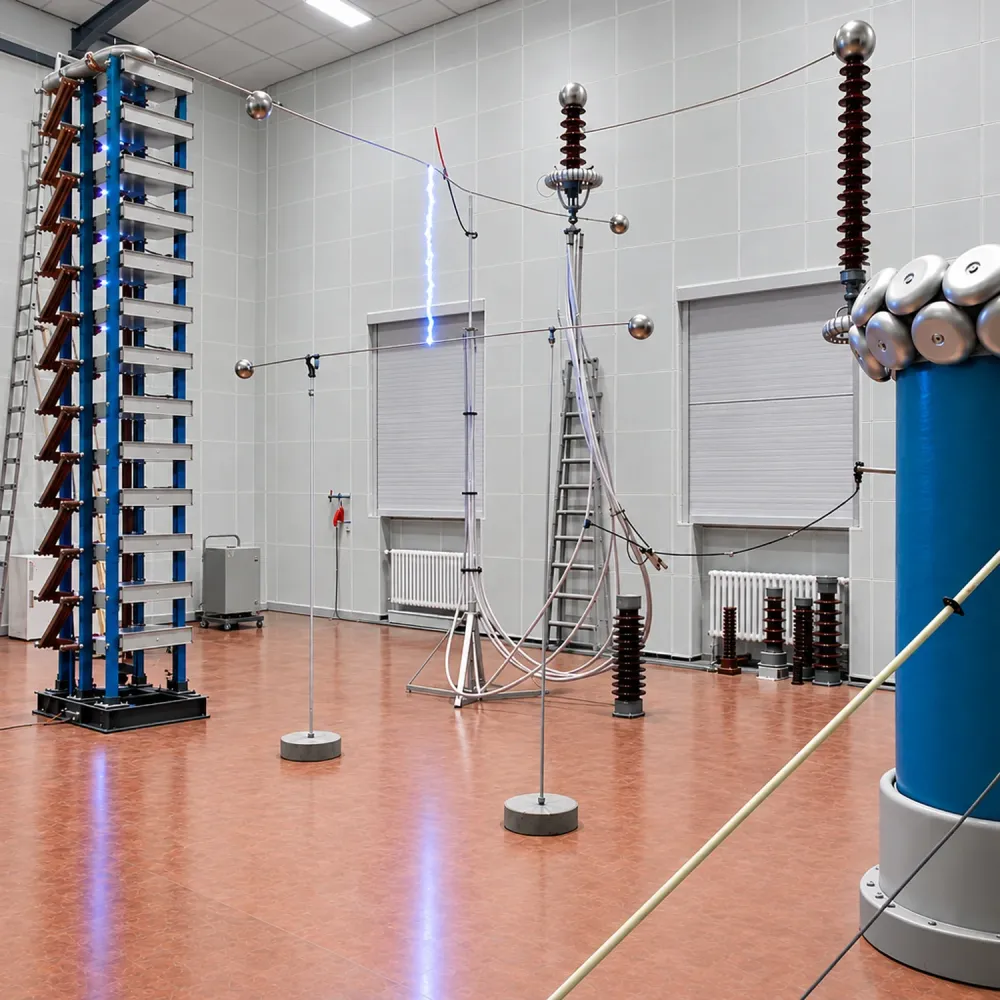
Why use electrically insulated lightning protection?
Electrically insulated lightning protection is used wherever flashovers need to be prevented and lightning currents need to be channelled in a controlled manner. In the case of sensitive installations, flammable building materials or complex building structures, their safety depends entirely on compliance with the required separation distance. Designers, installers and operators must assess whether the solution used meets the requirements for insulation, lightning current carrying capacity, mechanical strength and long-term durability.
The effectiveness of an electrically isolated lightning protection system cannot be assessed on the basis of its design alone. Documented tests and verifiable evidence are crucial. Here, the international standards provide a common framework for the assessment of electrically insulated lightning protection systems.
IEC 62561-8 – The new standards framework at a glance (October 2026)
Electrically isolated lightning protection has been established in Germany for over 20 years. Under IEC 62561-8, the previous Technical Specification is replaced by an international product standard – this is the first time an international product standard for electrically isolated lightning protection systems has been available. Together with IEC 62305-3, this creates a comprehensive set of IEC standards covering product requirements and application.
IEC/TS 62561-8
Technical basis prior to the publication of the international product standard.
IEC 62561-8:2026
Sets out requirements and tests for components of electrically isolated lightning protection systems.
IEC 62305-3 sets out when electrically isolated lightning protection should be used and what general conditions need to be taken into account.
What the new standard means for designers, installers and operators
Planners, installers and operators view electrically isolated lightning protection from different perspectives. Whilst planning and tendering take centre stage, installation, operation and maintenance are all about ensuring safe implementation and providing verifiable records.

For planners
The lack of a standards framework to date made selection and specification more difficult. The consistent use of IEC standards and the ability to provide documented proof of product compliance create a better basis for planning and tendering.

For plumbers
Clear installation guidelines, compatible components and documented evidence help to ensure the safe installation of electrically isolated lightning protection systems.

For operators
A product range that complies with standards and documented quality ensure transparency regarding safety and consistency.

For international projects
The new standards framework supports the normative assessment of international projects. Country-specific recognition should continue to be reviewed.
Verified requirements rather than manufacturers’ specifications
IEC 62561-8 sets out, for the first time, international requirements and tests for components of electrically insulated lightning protection systems. The following review questions will help you to understand the material.
Is the current IEC 62561-8:2026 explicitly mentioned in the supporting documentation?
Has the specific product variant used been documented? Have connections, fasteners and support tubes been taken into account?
Have the separation distance, high-voltage impulse withstand capability and lightning current withstand capability been verified?
Have the mechanical strength, fastening and installation conditions been documented?
Have ageing, UV exposure and corrosion been taken into account?
Is there any additional evidence available for Ex applications?
What a standard-compliant audit entails
Where electrically insulated lightning protection is used
Electrically insulated lightning protection is used in a wide variety of applications. The spectrum ranges from buildings constructed with combustible materials, through critical infrastructure, to industrial plants and complex structures. The following examples illustrate typical areas of application.

Flammable building materials and sensitive building structures
- Thatched roofs
- Timber buildings
- biogenic insulation materials
- Green roofs
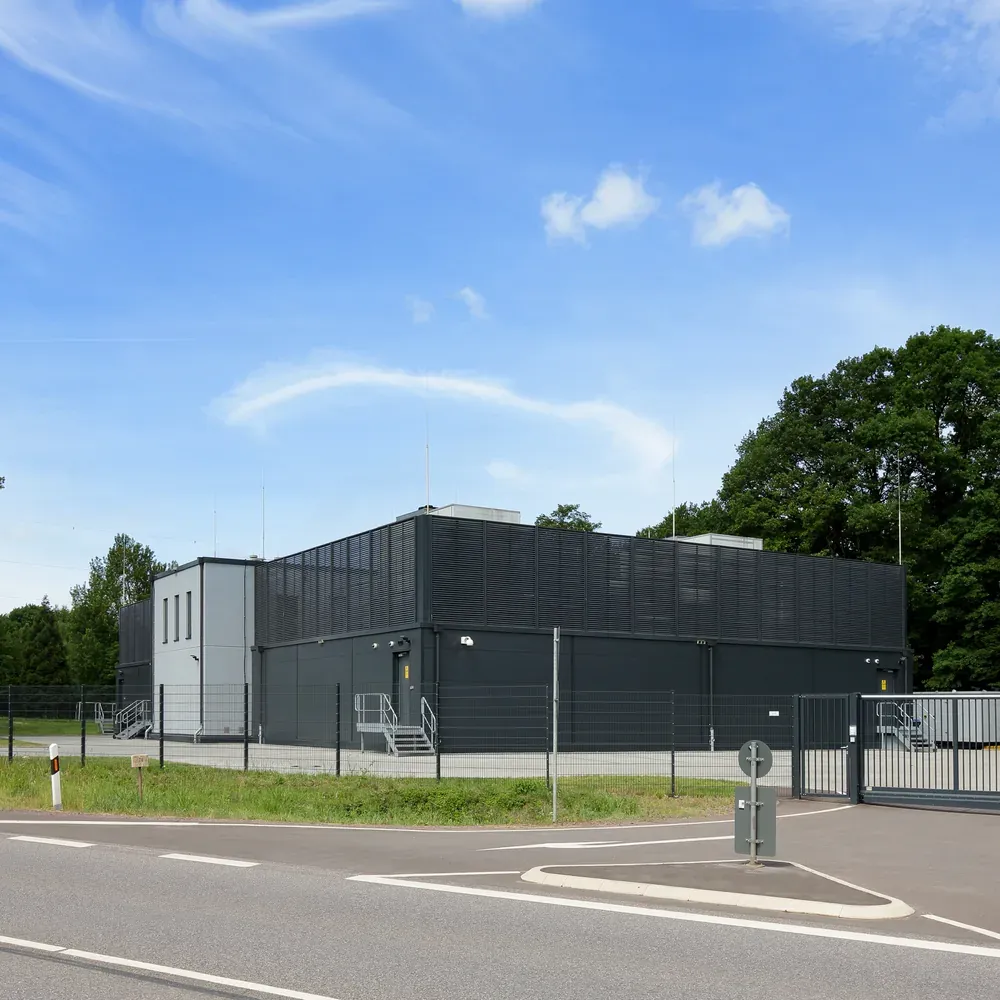
Critical infrastructure and sensitive electronics
- Data centres
- power supply
- sensitive technical equipment
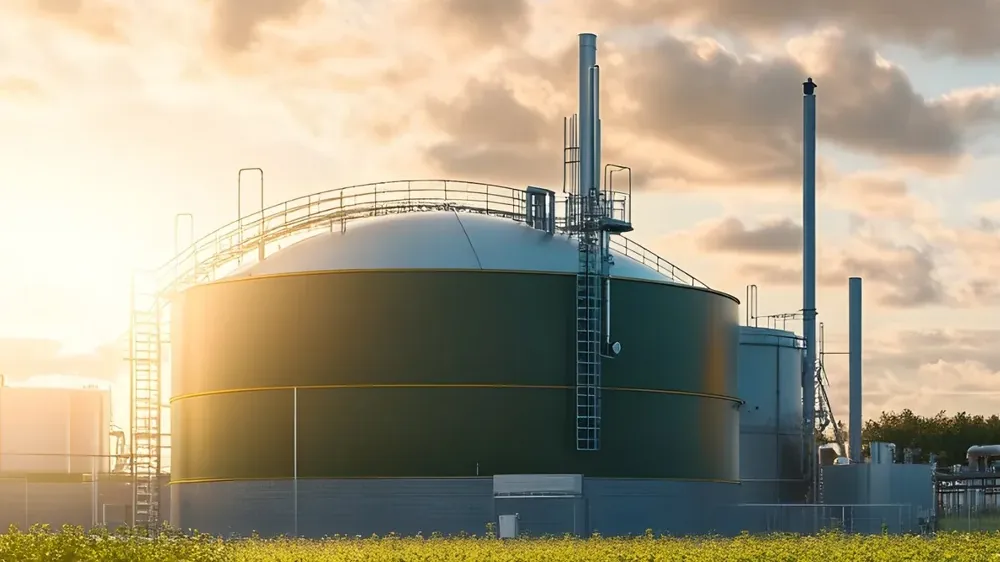
Industry and special environments
- Chemical plants
- potentially explosive atmospheres
- Biogas plants
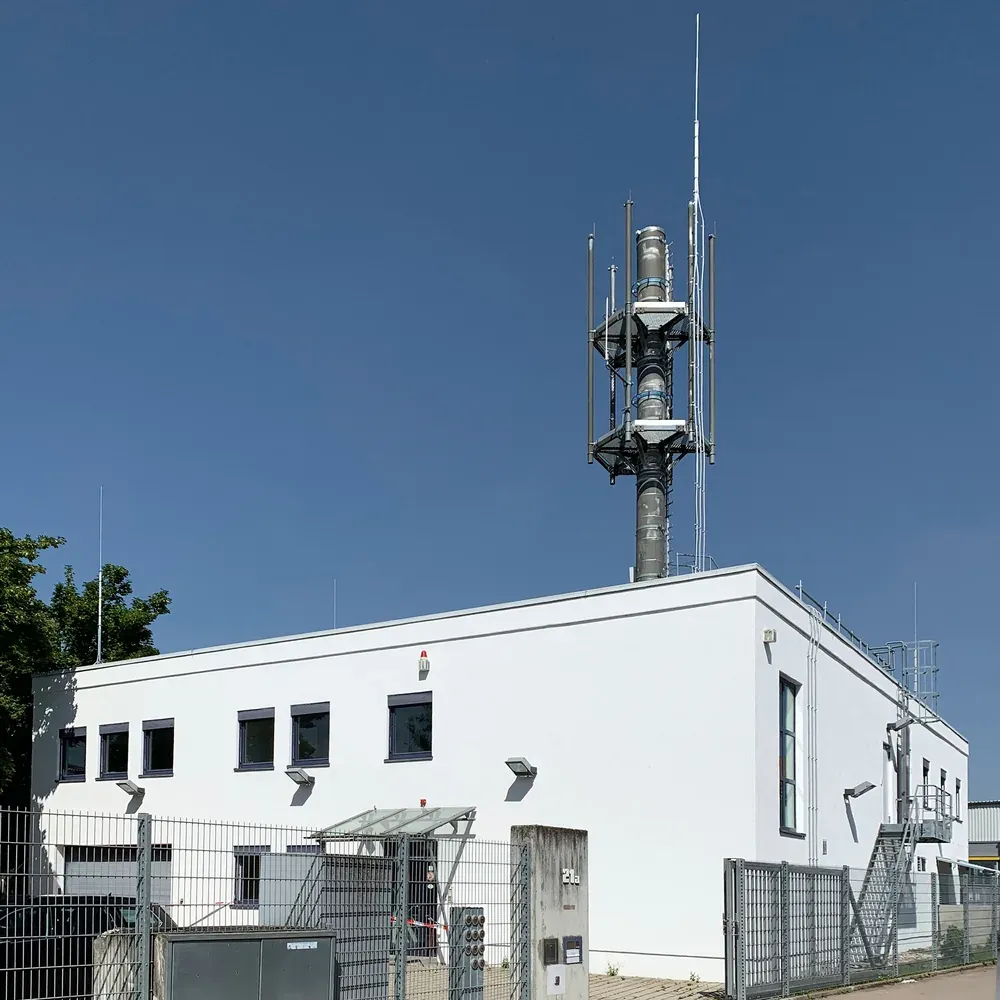
Tall and complex structures
- Mobile phone masts
- Wind turbines
- complex roof and façade structures
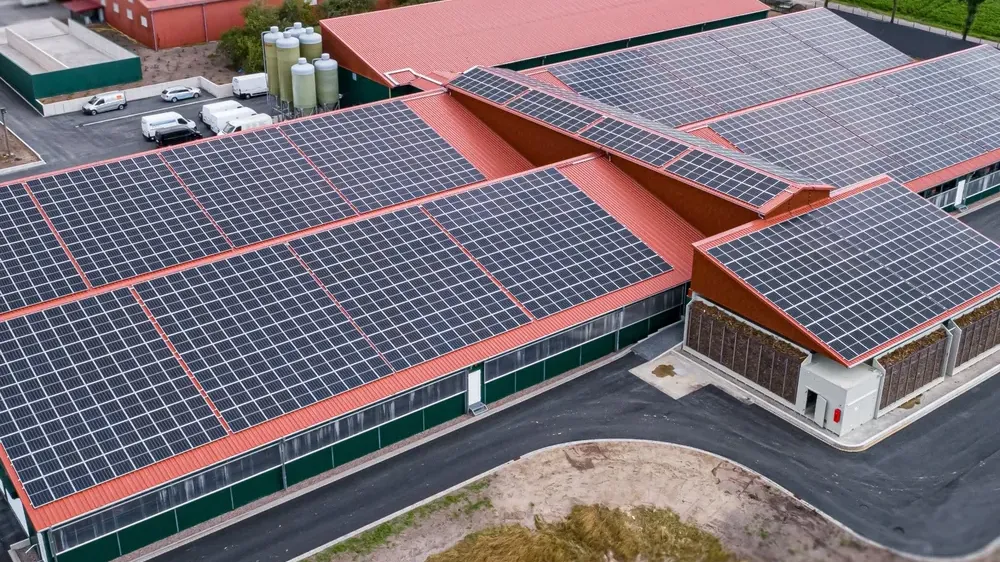
Agricultural buildings
- Stables
- Farm buildings
- Buildings containing combustible materials
Total configuration verified using HVI
Certification of an electrically isolated lightning protection system relates to the tested overall configuration. These include pipes, connections, fixings, support pipes, as well as the relevant installation requirements and documentation. One example is the HVI® cables from DEHN, whose components are designed to work together as a complete system.

FAQs
In Edition 3 of IEC 62305-3, electrically isolated lightning protection is explicitly recognised for the first time as a distinct form of external lightning protection. The standard makes a clear distinction between spatially separated and electrically isolated lightning protection systems. It also sets out in detail how the separation distance is to be calculated and contains specific requirements for components of electrically insulated lightning protection systems. The new standard thus provides a clearer basis for the design and installation of lightning protection systems with high-voltage-resistant insulated down conductors, such as HVI cables.
IEC 62561-8:2026 Ed. 1 is the international product standard for components of electrically isolated lightning protection systems. It sets out mandatory requirements and tests and replaces the previous IEC/TS 62561-8:2018.
IEC/TS 62561-8 was the technical specification or draft standard. IEC 62561-8 Ed. 1 is the comprehensive international product standard for electrically insulated lightning protection.
IEC 62305-3 specifies when an isolated lightning protection system is required and under what conditions it should be used. IEC 62561-8 specifies the requirements for the components. Together, these two standards form the IEC standards framework for application and product requirements.
Yes. Electrically isolated lightning protection has been established in Germany for over 20 years. A new development is the international standardisation recognition under IEC 62561-8. The German draft of DIN EN IEC 62561-8 was published in July 2026. The final German standard is expected in 2027.
IEC 62561-8 covers insulating support and spacer elements, as well as high-voltage-rated insulated feeders, including their specific fasteners. Both groups of components serve to maintain or reduce the required separation distance.
The term ‘insulated’ does not indicate whether the separation distance, electrical insulation, mechanical properties and ageing have been tested in accordance with a uniform standard. What is crucial is reliable evidence relating to the specific product and the configuration used.
The test criteria include electrical insulation, equivalent separation distance, high-voltage impulse withstand capability and lightning current withstand capability. Other test areas include mechanical strength, fastening, pull-out strength, as well as resistance to UV, corrosion and ageing, and the ability to be used without triboelectric discharge.
Yes. The evidence must clearly cover the product variant used. Fasteners, joints, support tubes and parallel arrangements must also be taken into account. The standard edition, product, configuration and test report must be clearly linked to one another.
Separate certification is required for use in potentially explosive atmospheres. An ex-approval or corresponding manufacturer’s documentation must not be derived from the evidence provided in accordance with IEC 62561-8. Both pieces of evidence must be dealt with separately.[Text Wrapping Break]HVI cables consist of a lightning-current-carrying core with high-voltage-resistant insulation and enable the required separation distances to be maintained. They can be flexibly integrated into building design and, for example, installed behind façades.
Some questions are best clarified through conversation
Standards and application

Standards and application

Further information and solutions
IEC 62561-8 sets out requirements and tests for electrically insulated lightning protection systems. The following content explores individual topics in greater depth and provides guidance on planning, testing, application and implementation in accordance with standards.
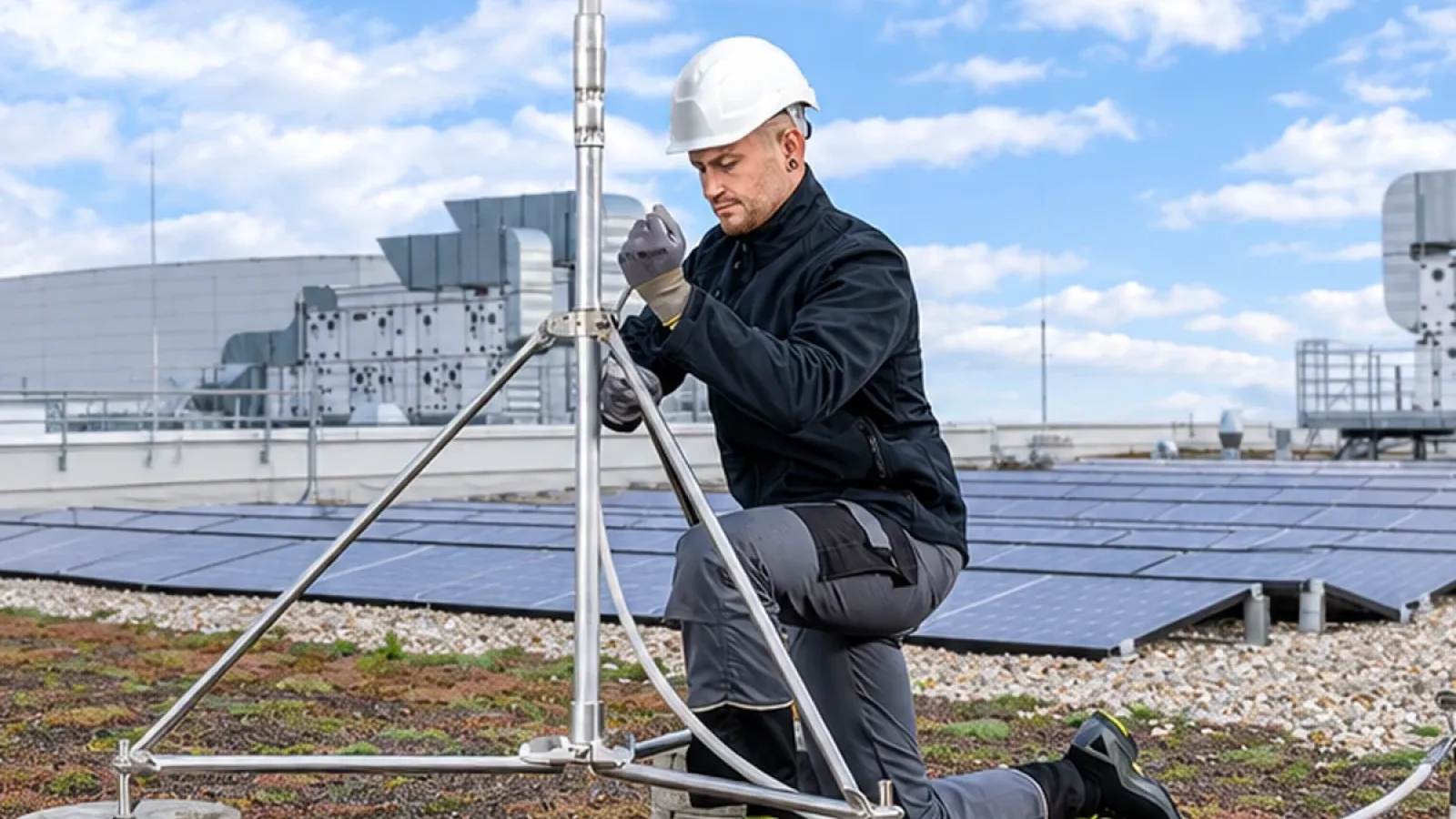
Electrically insulated lightning protection with HVI
Electrically insulated HVI cables make it easy to maintain separation distances. Find out more about the design, areas of application and system components.
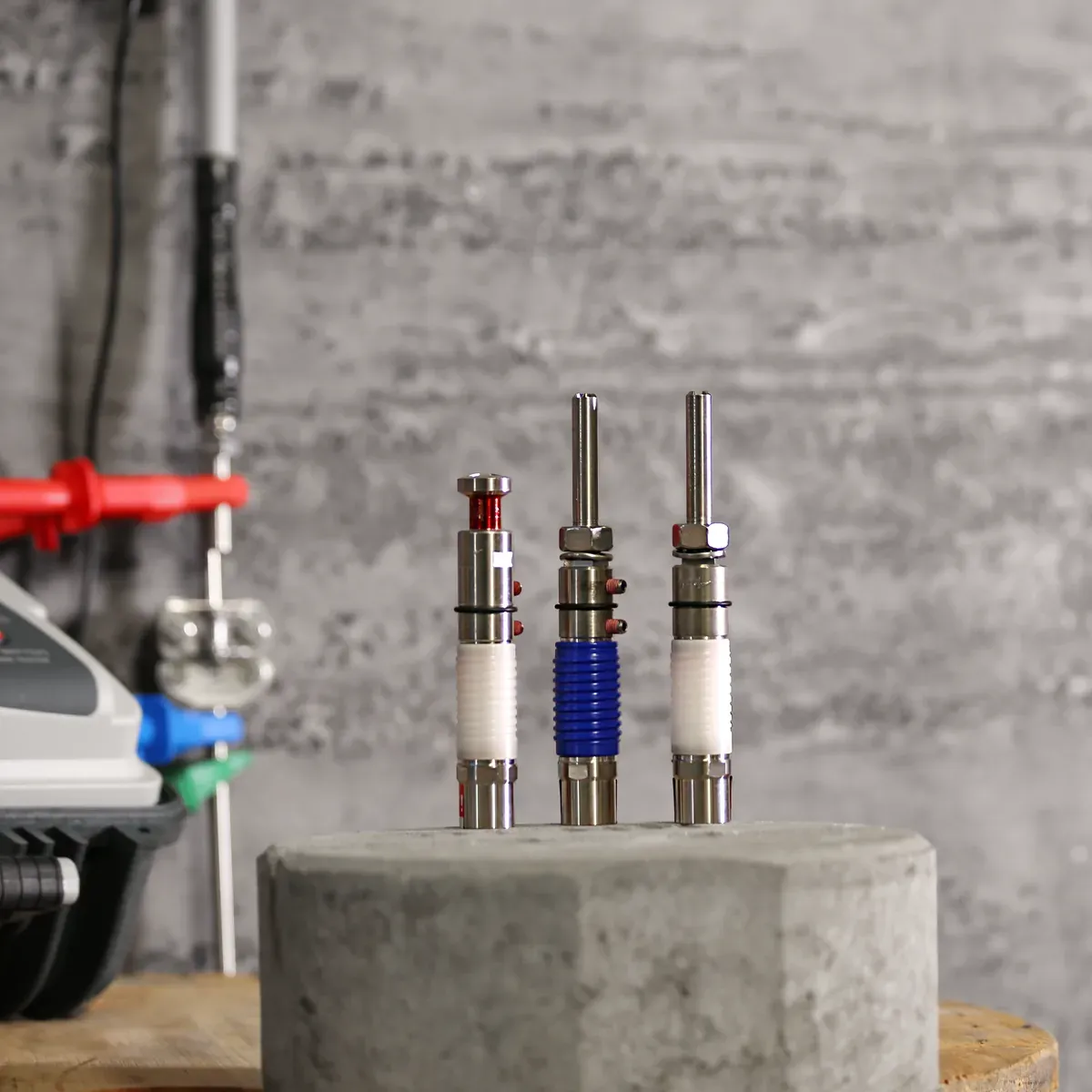
Checking HVI systems
Test HVI systems quickly and easily with HVI-Check. Find out how the audit is supported and which applications benefit from it.
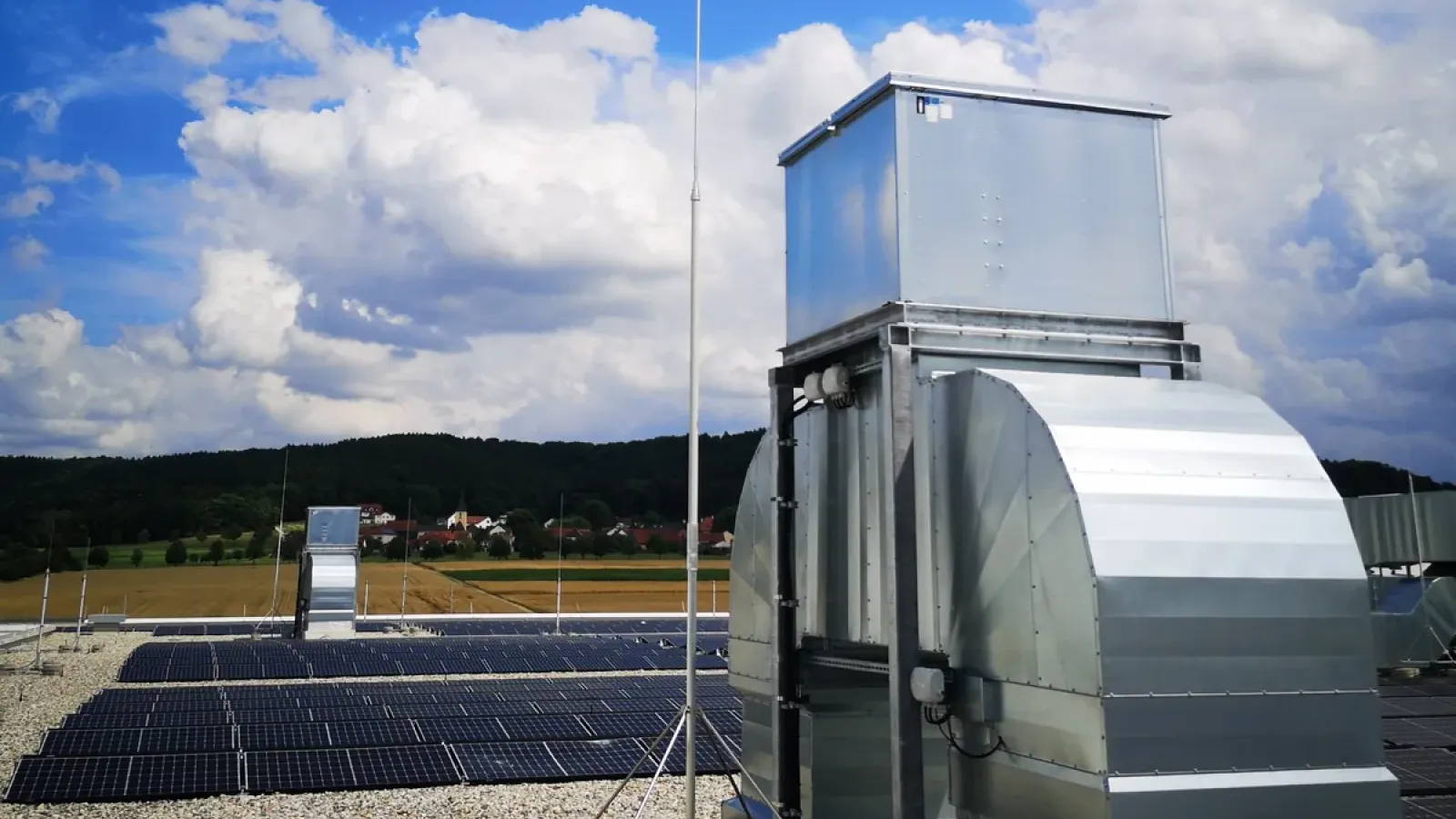
What is the separation distance?
The separation distance is a key factor in the design of lightning protection systems. Find out how to prevent rollovers and what factors need to be taken into account.

IEC 62305, Edition 3 – What’s new?
IEC 62305 forms the basis for the design of lightning protection systems. Find out what changes are included in the latest edition and what practical implications they have.
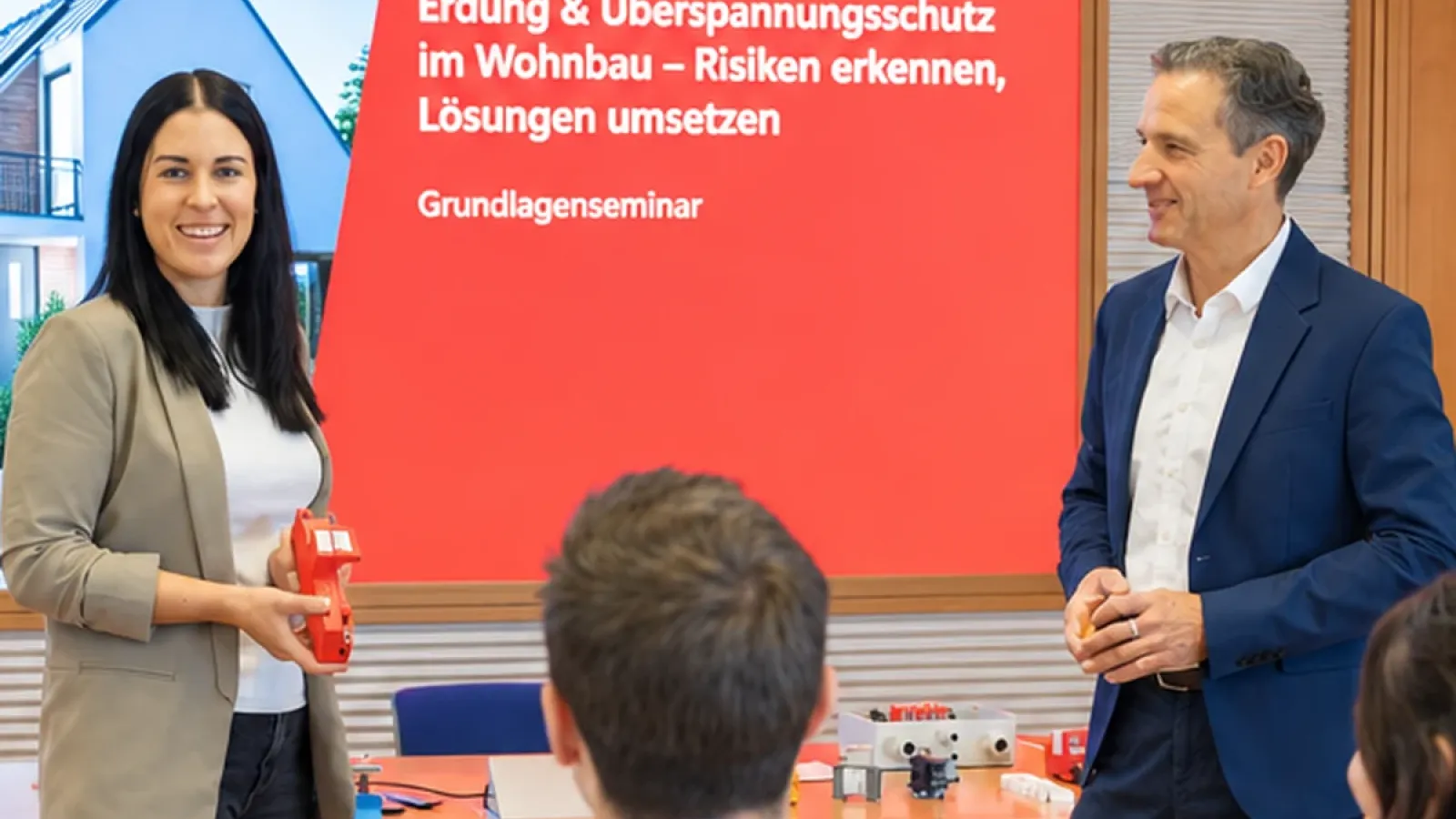
Seminars on the basics of earthing, lightning protection and surge protection
Get a comprehensive overview of the technical and regulatory requirements for holistic protection concepts.